Connor McDavid’s Comments on Ducks Collision Draw Backlash From Fans
McDavid called a net-front collision dangerous after Edmonton’s game against Anaheim. Many fans argued the Oilers captain should expect contact at the crease.
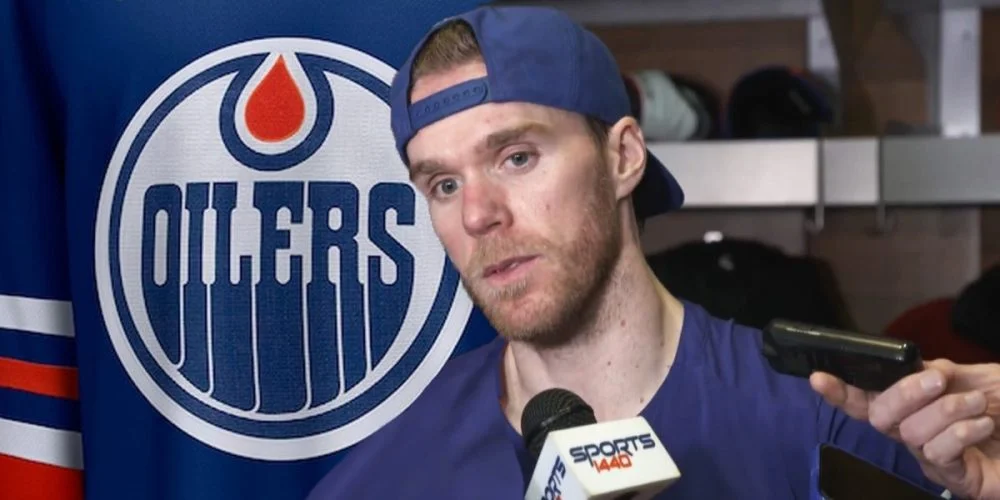
The collision that sent Connor McDavid into the net-front conversation didn’t end with the first-period play. After Edmonton’s game against the Anaheim Ducks, the Oilers captain described the contact as dangerous, prompting a wave of online criticism from fans who saw it as part of the risk of attacking the crease at speed.
McDavid said the incident hit close to home because he has been hurt in similar situations. “Those are dangerous plays, in my opinion,” he told reporters. He also questioned why the net isn’t treated like the end boards when players are driving toward it, and said he believed Drew Helleson’s play was intentional.
“Those are plays that I’ve been really, really hurt on before,” McDavid said. “You know, going into the end wall, going into the net—those types of plays are, I find, dangerous. And obviously, I didn’t love it.” He added that few people understand what it feels like to go into the net “Mach 1,” saying he finds himself in that situation often.
A dispute over contact at the crease
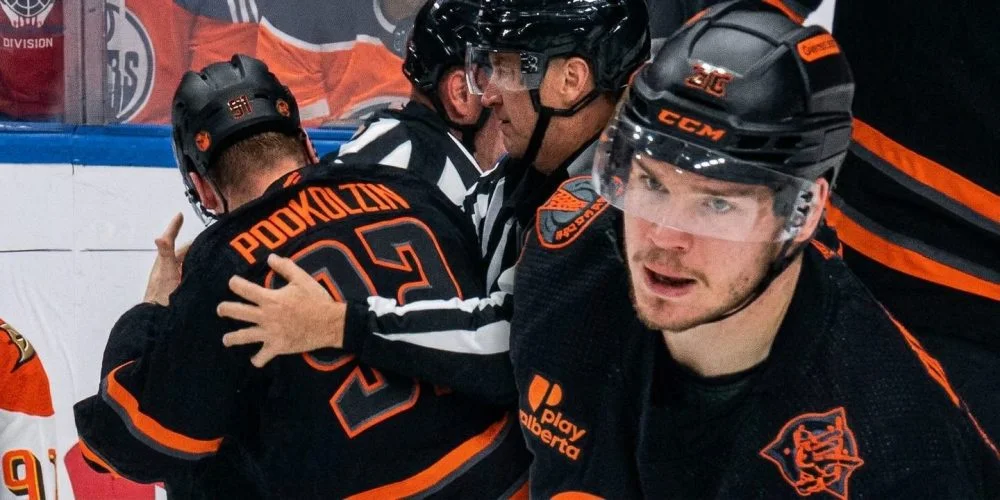
In Edmonton, many fans blamed Helleson and felt he deserved the punishment Vasily Podkolzin delivered. Reaction elsewhere leaned the other way. A common argument online was that McDavid’s speed and direct route to the net make collisions an inherent part of the play. One commenter said he attacks the crease “with reckless abandon nearly every game,” suggesting a hit like this was bound to happen.
Other fans took aim at McDavid’s “Mach 1” description. “Maybe don’t go Mach 1 into areas you can get hurt in?” one wrote. Another argued that being the league’s best player shouldn’t give him permission to skate through defenders untouched. The remarks were pointed, but the disagreement beneath them was familiar: how much room should a high-speed attacker expect when defenders are trying to protect the area around their goaltender?
Ducks supporters focused on where the collision happened. They said the contact came in the blue paint, where a defender’s job includes keeping attackers away from the goaltender, and questioned what McDavid expected Helleson to do. One fan sarcastically suggested Anaheim would “part the red seas” next time, adding that hockey is a contact sport. Others invoked the game’s more physical past and wondered how McDavid would have handled it against the enforcers of earlier eras.
Star status doesn’t settle the question
For many critics, McDavid’s standing in the sport was beside the point. Their view was that no player, regardless of skill or speed, should expect a clear lane to the crease. In their telling, the danger he described is real, but it comes with the way he attacks the net. That response helps explain why the comments drew such a sharp reaction: fans were weighing his concern about a dangerous play against the contact defenders are expected to make in a crowded area.
There’s a distinction between recognizing that a collision can be dangerous and deciding what should happen when it does. McDavid spoke from his own experience, pointing to injuries he has suffered in similar situations. Fans who disagreed with him focused on the demands of defending the net-front. The source account doesn’t establish whether Helleson intended to injure McDavid, and the online argument doesn’t resolve that question. It does show how differently the same play can look to the attacking player, the defending team and the fans watching it.
McDavid has not commented further on the backlash, and the Oilers are due back in action later this week. There’s no indication that the scare or the online reaction will change how he drives toward the net. For Edmonton, the immediate takeaway is that one collision has renewed a debate that follows high-speed crease attacks: the danger is part of the play, but that doesn’t mean every point of contact will be seen the same way.