Avalanche’s 6-2 Loss to Predators Exposes Special Teams and Consistency Concerns
Colorado followed a strong win over Tampa Bay with a flat 6-2 defeat, allowing four power-play goals and managing just 21 shots.
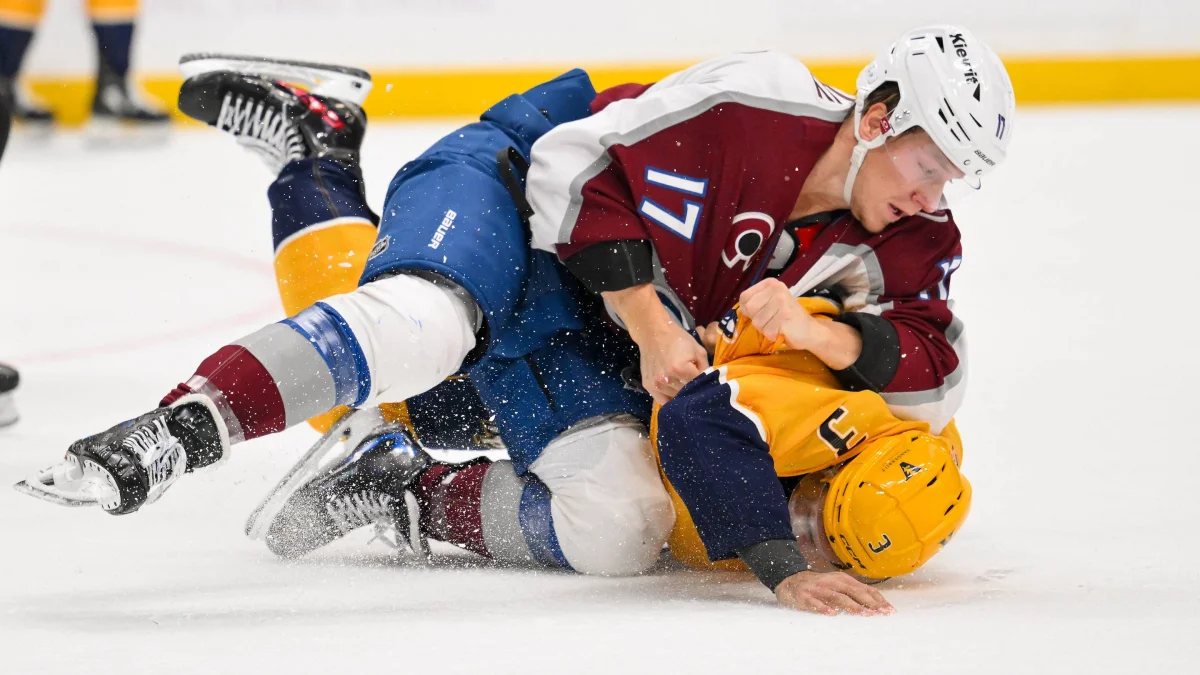
Colorado’s 6-2 loss to Nashville raised a familiar question for the Avalanche: why does a team capable of beating Tampa Bay 6-3 look so flat just two nights later? The defeat was more than a bad result. Colorado fell behind early, gave up four power-play goals and finished with 21 shots while the Predators put 35 on net.

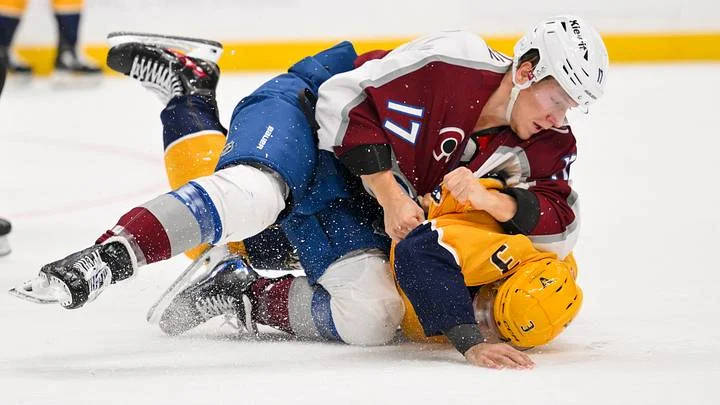
The setting made the performance harder to explain. Colorado had just earned a 6-3 win over the Lightning on Friday. Nashville, meanwhile, arrived after a 3-2 overtime loss to Pittsburgh and was playing the second game of a back-to-back. The Avalanche had a chance to seize control against a division rival. Instead, they spent the night chasing the game.
A two-goal hole became a five-goal deficit
Nashville scored twice early, setting the tone before Colorado found a response. The Predators stretched the lead to 5-0, leaving the Avalanche with a steep climb and little margin for error. Colorado did begin to chip away, but Steven Stamkos ended the comeback hopes with a power-play goal that made it 6-2.
The final score captures the scale of the loss, but the shot count offers another clue about how the game unfolded. Nashville outshot Colorado 35-21. That gap points to a night when the Avalanche struggled to generate sustained pressure and spent too much time reacting to the Predators’ play. A late push could narrow the scoreboard, but it couldn’t erase the lack of control earlier in the game.
There was also a lineup note late in the third. Fedor Svechkov did not play during the period, Evan Rawal reported.
Svechkov was benched the entire 3rd, and he was indeed on the bench. https://t.co/z3M1csoxiX
— Evan Rawal (@evanrawal) October 26, 2026
Colorado’s special teams widened the gap
The penalty kill took the sharpest hit. Nashville scored on four of its seven power plays, while Colorado went 0-for-4 with the man advantage. The Avalanche gave the Predators too many opportunities, then failed to keep those chances from turning into goals. That combination left Colorado with almost no room to recover.
There’s a tempting alternate reading: remove Nashville’s four power-play goals and the game stands 2-2. But that arithmetic doesn’t make the loss a narrow one. Colorado still had to manage seven penalties, create more with its own power play and produce enough at even strength to keep pace. The 35-21 shot deficit suggests the challenge reached beyond the penalty kill.
Colorado’s power-play chances also mattered because a goal could have given the team a foothold while it was trying to answer Nashville’s early lead. Instead, the Avalanche went scoreless on all four opportunities. They couldn’t turn their chances into momentum, while the Predators converted theirs into separation.
A repeat performance is the larger concern
This wasn’t the first time this season that Scott Wedgewood was left with too little support. Colorado also lost 4-3 to New Jersey after a performance that improved only when the Avalanche scored twice late. That game came on the second night of a back-to-back, giving the team a scheduling factor to point to. The defeat against Nashville followed a rest advantage for Colorado, which makes the list of easy explanations shorter.
Here’s the thing: a team will have uneven nights over a long season, but the way those nights unfold matters. Falling behind quickly, struggling to hold the puck and allowing special-teams goals can turn a slow start into a game that’s out of reach. Colorado’s comeback effort against Nashville showed some push, yet the response arrived only after the deficit had grown to five.
The Avalanche have a few days to regroup before hosting the New Jersey Devils next Wednesday. The source previewed the possibility of Connor Hellebuyck making his Devils debut, though that remained a prospect rather than a confirmed lineup detail. For Colorado, the immediate task is clearer: start with more urgency, cut down on penalties and give Wedgewood a steadier defensive effort. The next game will show whether the Nashville loss was a one-night stumble or another sign that the Avalanche’s best and worst versions remain too far apart.