Elliotte Friedman Questions Colorado Avalanche’s “Weird” Early-Season Losses
Friedman says Colorado’s puzzling defeats stand out, and Jared Bednar acknowledged the energy gap after a 6-2 loss to Nashville.
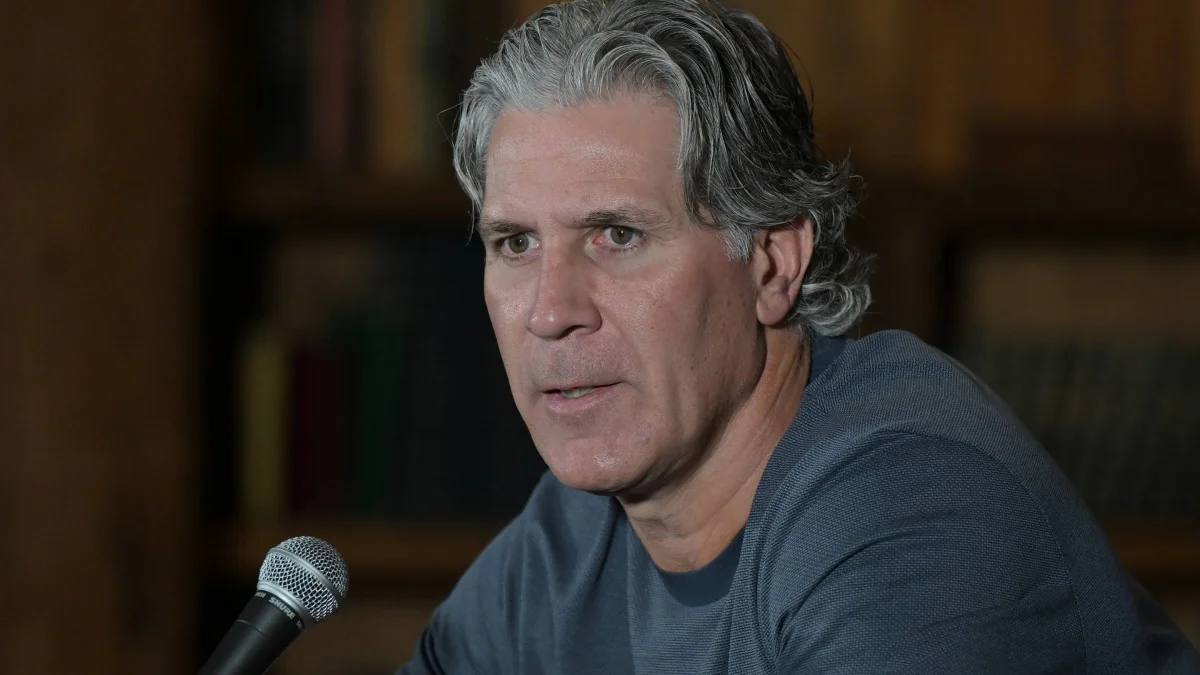
Colorado’s 6-2 loss to Nashville stands out because it fits a troubling pattern: the Avalanche have had several games this season when their effort and execution seemed to disappear. Elliotte Friedman flagged those puzzling results on Monday’s 32 Thoughts Podcast, putting Colorado among the strong teams whose early-season defeats have been hard to explain.

Friedman also pointed to Vegas, saying both clubs had suffered “really weird losses lately.” He added that he generally doesn’t worry about either team because they’re good teams, but the timing of these performances caught his attention. That’s a measured concern, not a prediction that Colorado’s season is unraveling. Still, a contender can’t treat repeated flat nights as isolated blips indefinitely.
The Avalanche’s loss to Nashville was especially striking because the schedule appeared to offer them an energy advantage. The Predators were playing the second game of a road back-to-back, while Colorado was at home and had been waiting for them. Jared Bednar said the game looked exactly backward: Nashville played with more pace and urgency, while his team failed to meet the moment.
“We should have been the team with more energy... with (Nashville) playing the back-to-back on the road and us here waiting for them. It looked like it was the exact opposite,” Bednar said after the game.
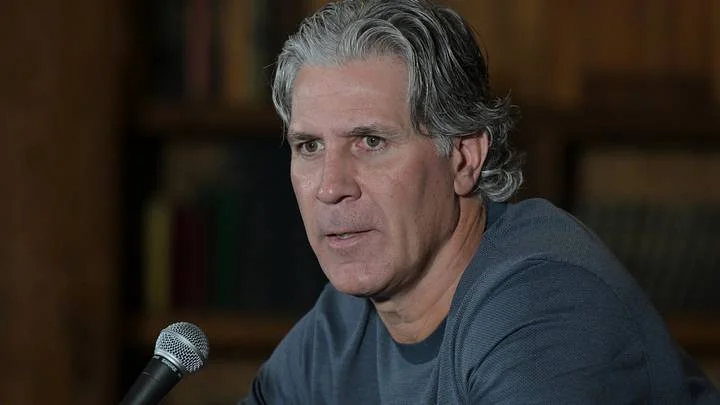
Avalanche coach Jared Bednar was understandably frustrated after the 6-2 loss to the Predators:
— Russell Vannozzi (@RussellV_MSP) October 26, 2026
“We should have been the team with more energy... with (Nashville) playing the back-to-back on the road and us here waiting for them. It looked like it was the exact opposite.”
A run of flat performances raises the bigger question
Nashville’s win wasn’t the only result prompting questions. Colorado had also dropped back-to-back games in Philadelphia and New Jersey in which, in the source account, the Avalanche failed to show up. A perplexing home loss to Toronto added to the list. Different opponents and settings make a single explanation difficult, but the recurring issue is the team’s ability to bring a consistent level of energy and detail.
That distinction matters. A team can lose a close game after creating chances and getting beaten by a strong opponent; a game that looks lifeless raises a different concern. When the effort isn’t there from the start, it becomes harder for talent or a late push to rescue the night. Bednar’s comments identify the immediate problem against Nashville, but they don’t explain why Colorado has had multiple performances that left observers searching for answers.
The Avalanche remain in postseason position, according to the source article. That offers some breathing room, but standings position alone can’t settle the question Friedman raised. A strong club is expected to absorb a bad result and respond. A series of low-energy losses asks whether the response is arriving quickly enough, especially while the season is still taking shape.
Bednar’s next challenge is finding a response
Bednar didn’t offer a clear diagnosis after the Nashville game. That may be understandable immediately after a poor performance, when a coach needs time to review what happened. But Colorado’s earlier struggles make the follow-up important. The coaching staff has to identify whether the common thread is preparation, pace, execution, or something else the source doesn’t specify. The available information doesn’t establish a single cause, so any firm conclusion about the underlying issue would be guesswork.
What can be judged is the standard Bednar set. Colorado had the rest and home setting to dictate the opening, yet Nashville supplied the energy instead. For a team with the Avalanche’s expectations, that gap is the part to address before the next difficult stretch arrives. The answer won’t come from one postgame quote; it will show in whether the club starts its next game with greater urgency and sustains it.
The Devils are due in Colorado next Wednesday, giving the Avalanche a couple of days to regroup. That game offers a near-term chance to reset the tone after the 6-2 defeat. One strong performance wouldn’t erase the earlier losses, but it could show that the team has recognized the pattern and can correct course. Another flat outing would make Friedman’s concern harder to dismiss.
Colorado doesn’t need to panic over every strange result. It does need to make these losses less familiar. Friedman’s point is that the Avalanche are good enough to expect better; Bednar’s assessment makes clear that the Nashville game fell short of that expectation. The next response, rather than another explanation, is what will tell fans whether this stretch is a temporary stumble or a trend requiring more serious attention.