Wild Surge Tightens Central Race as Avalanche Seek Consistency
Kaprizov and Minnesota lead the Central, while Colorado’s uneven start and penalty kill leave the division race wide open.
Minnesota has turned a fast start into a real Central Division challenge, and Colorado’s latest win hasn’t erased the questions around the defending division leaders. The Wild sit five points ahead after 14 games, powered by Kirill Kaprizov’s scoring and a strong defensive record. The Avalanche remain close, but their uneven results and penalty-kill problems have made their early-season position less secure than expected.

Colorado’s 7-5-1 record tells only part of the story. A 6-3 victory over Tampa Bay, a 6-2 loss in Nashville and a late surge to beat New Jersey came in the same week. The Avalanche can still overwhelm opponents with their attack. The immediate test is whether they can limit the lapses that have made that offense feel necessary.
Colorado’s attack answers, but the penalty kill remains a concern
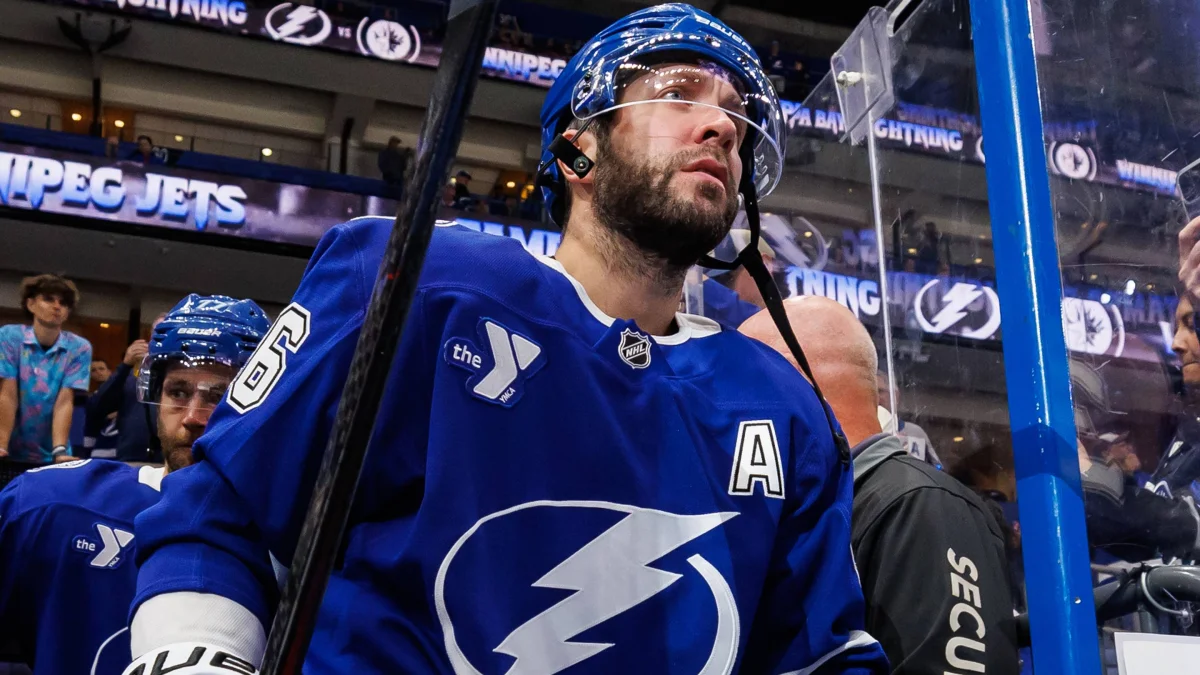
The week began with a convincing win over Tampa Bay. Nathan MacKinnon finished with a goal and three assists, while Nazem Kadri scored his first goal of the season. Coach Jared Bednar described it as “probably our most complete effort of the year.” Colorado followed that performance with a sharp drop in Nashville, where the Predators scored four times on seven power-play chances and won 6-2. Ryan O’Reilly and Steven Stamkos each had two goals, and Nashville held a 35-21 edge in shots.
Wednesday’s game against New Jersey offered a response, though it began with Colorado trailing after Connor Brown scored short-handed. Gabriel Landeskog tied it on the power play, then Kadri, Parker Kelly, MacKinnon and Jaden Schwartz scored during a third period that turned the game into a 5-1 win. MacKinnon’s goal came after he split two defenders at the red line and beat Jake Allen. Schwartz followed 30 seconds later.
That comeback showed the Avalanche’s ability to change a game quickly. It also leaves the larger issue intact: a penalty kill that gave Nashville too much room. Colorado’s offense is producing, with Artturi Lehkonen tied for the NHL lead in high-danger goals and already into double digits before November. The concern is whether the defense can give that attack steadier support, particularly away from home.
A week of milestones, with a blue-line question
Mackenzie Blackwood made 20 saves in his 300th NHL game against New Jersey. Brent Burns reached 950 career points, moving past Erik Karlsson and Chris Chelios for 10th among defensemen in league history. Landeskog also became Colorado’s all-time leader in hits.
The win came with a potential cost. Defenseman Josh Manson left in the first period with a lower-body injury after falling awkwardly while attempting a check. No further details are provided in the source, but his absence would matter for a blue line already under pressure on the penalty kill. Colorado’s next step depends in part on whether its defensive group can stay intact and improve its work while shorthanded.
The Avalanche finished last season with 121 points and the Presidents’ Trophy, then were swept by Vegas in the Western Conference Final. One month into this campaign, they are fourth in the Central. Their home record is 5-1-1; on the road, they are 2-4-0. That split is a meaningful part of the gap behind Minnesota, even with Colorado holding a game in hand.
Minnesota’s start is more than a Kaprizov scoring streak
Kaprizov has 14 goals in 14 games, putting him among a small group of players to reach at least 14 goals in October. Only Mario Lemieux and Brett Hull scored more in that month. Minnesota has won three straight and went 3-1-1 on a five-game western road trip while Brock Faber, Filip Gustavsson, Marcus Foligno and Nick Foligno were out.
The Wild have more than one source of momentum. Quinn Hughes has 18 points from the blue line, and Jesper Wallstedt is 8-2-2. Minnesota has allowed 2.21 goals per game, third-best in the league. That balance helps explain why its 9-3-2 record looks sustainable beyond Kaprizov’s remarkable finishing. The team hosts the Islanders on Thursday, giving the winger another chance to add to his October total.
Standings entering play on October 29 show Minnesota with 20 points in 14 games. Utah is second with 16 points in 13 games; Dallas and Colorado each have 15, with Dallas having played one fewer game. Nashville has 13 points in 12 games. The standings are close enough that a short run can reshape the order, but Minnesota has built a useful cushion through both results and defensive consistency.
Dallas and Utah add pressure from the next tier
Dallas is level with Colorado on points despite having a game in hand, and Jake Oettinger has been central to that start. He is 6-2-1 with a 1.43 goals-against average, a .929 save percentage and three shutouts in nine games. Mikko Rantanen, Jason Robertson and Roope Hintz give the Stars scoring options, though their power play has not yet matched the threat of their goaltending.
A 5-1 home loss to New Jersey was a reminder that strong netminding cannot cover every weakness. The source also points to Connor Hellebuyck’s move from Winnipeg to New Jersey as changing the division’s goaltending picture. For Dallas, the question is whether its offense can provide enough support when Oettinger isn’t able to control a game himself.
Utah has made its case with offense: 3.62 goals per game and a 34.8 percent power play. Its 4-2 win in Edmonton ended the Oilers’ five-game winning streak. But the Mammoth have allowed 3.31 goals per game, and their penalty kill is at 67.4 percent. Those numbers make Utah dangerous on a given night, while leaving a clear area to address over a longer stretch.
November will test whether Colorado can close the gap
Minnesota’s lead is five points, but the Wild have played 10 of their first 14 games on the road. A shift toward more home dates could help them maintain their pace. Colorado, meanwhile, needs its strong home form to travel. Better penalty killing, a healthy Manson and a steadier run of results would give the Avalanche a path back toward the top.
The division race is still young, and Colorado has the scoring depth to make up ground. For now, though, Minnesota has earned the stronger position through its record, defensive results and production from Kaprizov and Hughes. November should show whether the Wild can keep setting the pace—and whether the Avalanche can turn flashes of dominance into a consistent push.