Panthers’ Penalty Trouble Costs Them Again in Overtime Loss to Ducks
Florida rallied to force overtime, but Anaheim converted three of four power plays and ended the Panthers’ latest one-goal game.
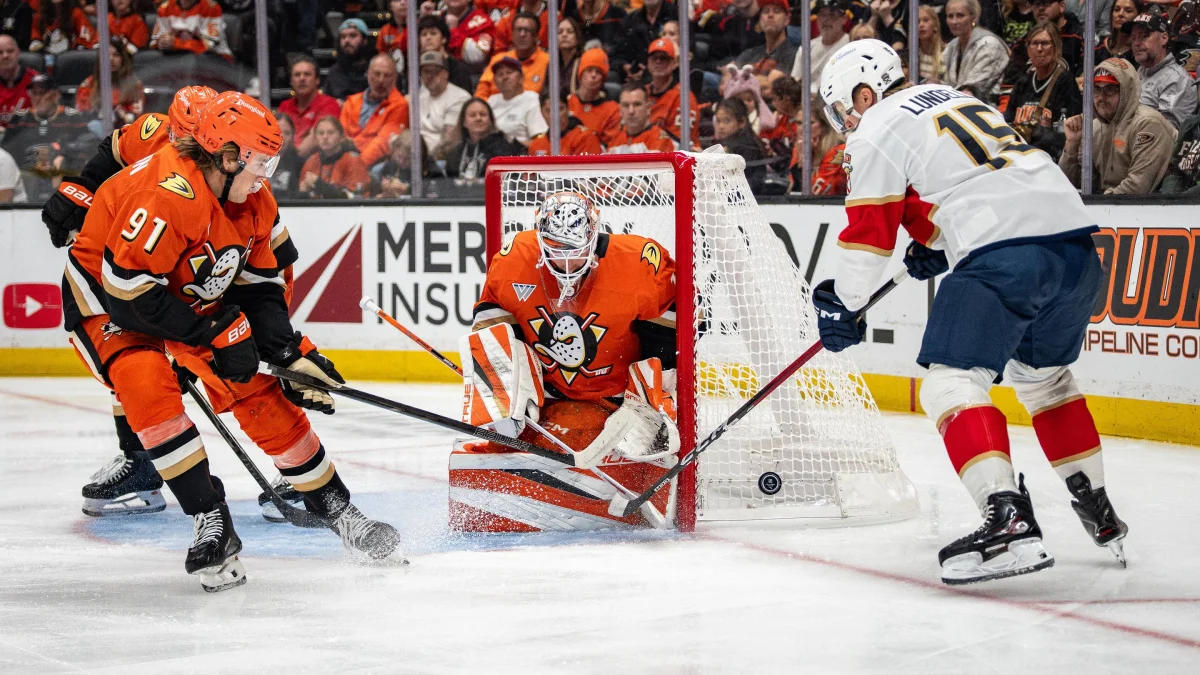
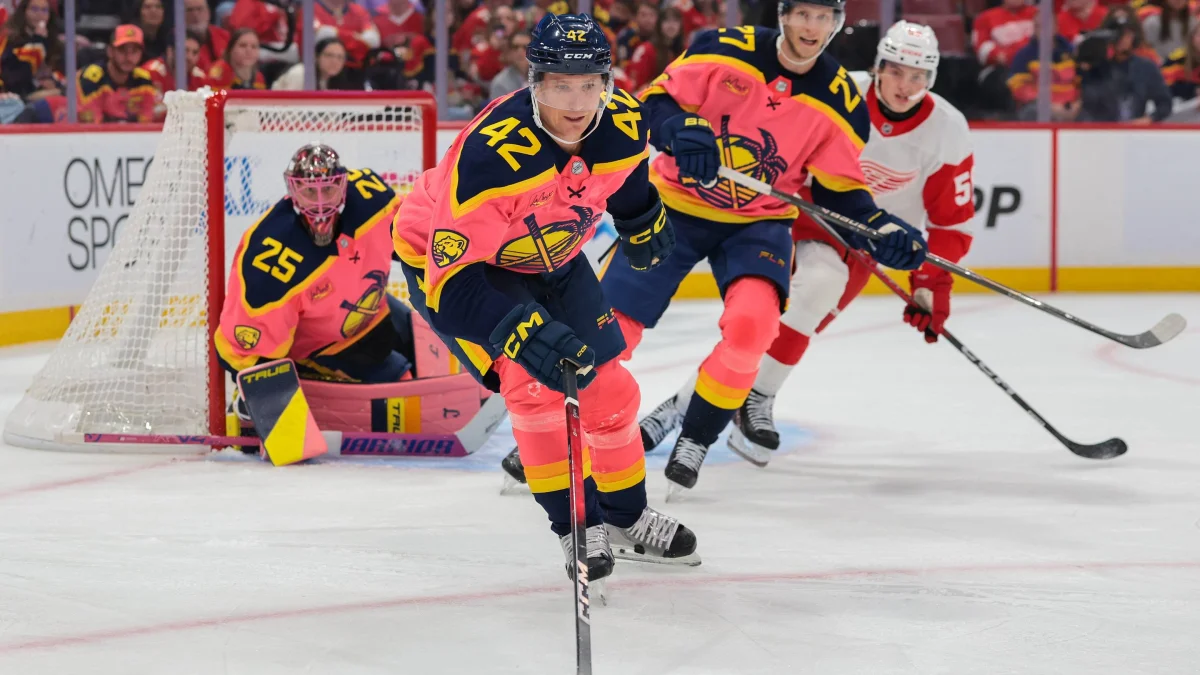
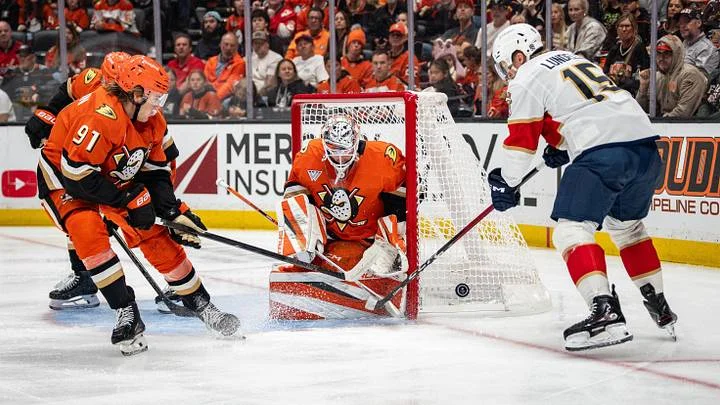
Florida’s early-season pattern is becoming hard to ignore: the Panthers keep chasing games, and penalties are making those comebacks harder. Their 3-2 overtime loss to Anaheim on Sunday gave them a point, but the Ducks scored on three of four power-play chances, including the overtime winner. Florida’s penalty kill had helped carry the team through its first two games. Against Anaheim, that support disappeared when the Panthers needed it most.

A costly change in the penalty kill
Florida went 6-for-6 on the penalty kill against Carolina and 3-for-4 against San Jose, according to the game figures cited in the Anaheim matchup. The Ducks then scored three times on four opportunities. That swing turned a familiar weakness into the clearest difference in a game that otherwise went to overtime.
The Panthers can play with an edge. The roster includes Matthew and Brady Tkachuk, Radko Gudas, Garnet Hathaway and Sam Bennett, and physical play has been part of the team’s identity. But the ability to deliver hits doesn’t make every infraction worthwhile. Florida has spent more than 17 minutes per game in the penalty box through its first three games, an expensive way to keep skilled players off the ice and give opponents extra chances.
Sunday’s penalties came from Lars Eller, Carter Verhaeghe and Gustav Forsling. Those names stand out because they’re not the obvious choices when discussing Florida’s physical reputation. Forsling’s overtime tripping call proved especially damaging: Anaheim used the power play to finish the game. The call was described as a phantom trip in the source account, but the lasting fact for Florida is the sequence that followed.
There’s a balance to find. Aggressive forechecking and contact can help Florida set the tone, yet a penalty at the wrong moment hands the opponent an advantage and interrupts the Panthers’ own rhythm. The team’s challenge is to keep the pressure without turning routine shifts into penalty-kill work. Anaheim showed how quickly that distinction can decide a close game.
Another rally, another game from behind
Brad Marchand returned earlier than expected from injury and scored his first goal of the season late in the third period, tying the game and giving Florida a chance to win. His goal mattered on the scoreboard and gave the Panthers another route back into a contest they had spent chasing. Still, the larger trend remained: Florida has yet to hold a lead at any point this season.
The Panthers opened with a 1-0 overtime win, with Forsling scoring the only goal. In San Jose, they fell behind 3-0, rallied to tie the game in the third and then lost in overtime. Anaheim took a 1-0 lead, stayed in front through regulation, and scored on the power play in extra time. Florida is 1-0-2 with four points after three games, but the point total doesn’t tell the whole story of how those games have unfolded.
Since training camp, Florida has played five one-goal games and is 1-0-4 in them, excluding two preseason wins by multiple goals. The last time the Panthers led was in the second period of their final preseason meeting with Tampa Bay, a game they lost in a shootout. A team can earn points while trailing, but repeatedly needing a late push leaves little margin for mistakes—and increases the cost of every penalty.
Early results point to work still needed
The Panthers began the season on the road without Aleksander Barkov, who is dealing with a long-term injury, and Aaron Ekblad, who was absent for personal reasons. Marchand’s return offered a lift, but the lineup absences make discipline and game management even more important. Florida can’t afford to give opponents repeated power-play chances while asking its remaining lineup to climb back into games.
There’s context to the uneven start: it’s only three regular-season games, and the standings will shift as the schedule builds. Yet this season doesn’t follow the same short-summer explanation that has accompanied Florida’s early struggles in recent years; the Panthers played through the regular-season finale in 2026. Much of the core remains, and this group has the experience to recognize the difference between a difficult start and a pattern worth correcting.
The immediate read is straightforward. Florida has found ways to stay alive and collect points, but it needs cleaner shifts, a steadier penalty kill and a lead of its own. If the Panthers continue handing opponents power plays while starting from behind, overtime points will be a thin return. The next step is turning their late resilience into a game they control earlier.