NHL Frozen Frenzy Has the Right Idea, but the Schedule Misses Its Moment
Frozen Frenzy puts all 32 teams on the ice, but a Tuesday in October and a thin slate of rivalries limit its appeal.


Frozen Frenzy has a strong hook: all 32 NHL teams play on one day, with staggered starts designed to let fans move from one game to another. The format invites a full evening of hockey. The schedule makes that invitation harder to accept. This year’s event lands on a Tuesday in October, with games spread from 6 p.m. to 11 p.m. Eastern, while the MLB playoffs and football season compete for viewers’ attention.

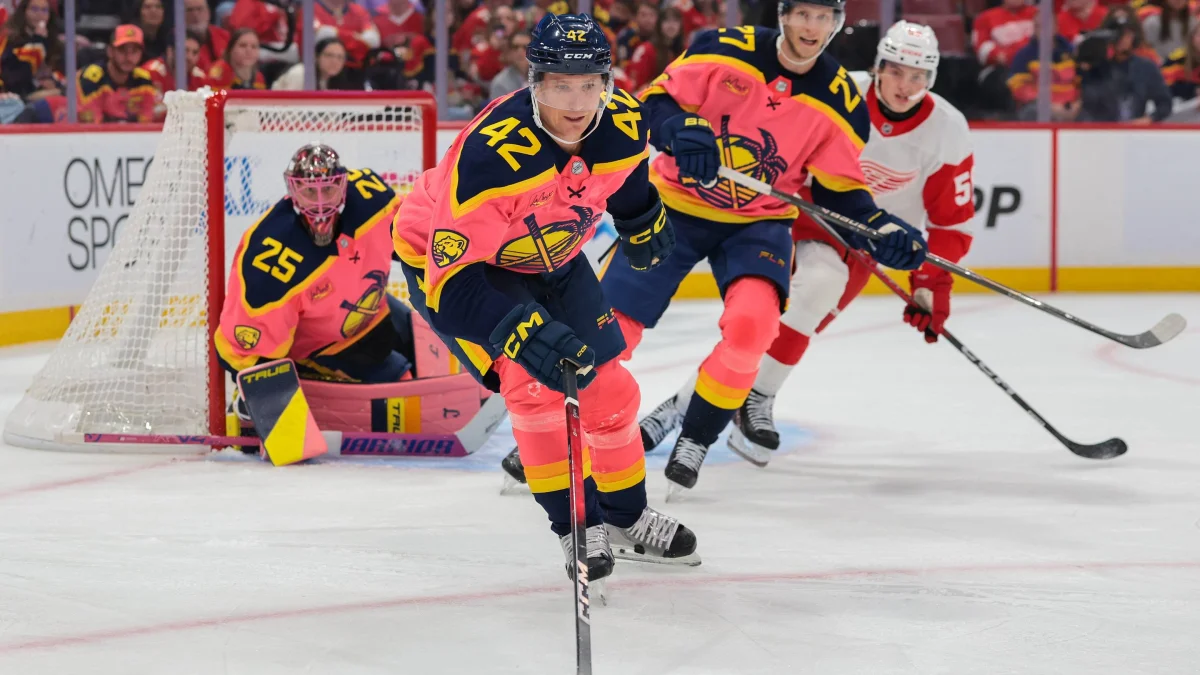
For Columbus fans, the Blue Jackets’ game against the Florida Panthers starts at 6:15 p.m. That’s an awkward time for a weekday game, especially for anyone hoping to catch the opening faceoff after work. The staggered schedule may encourage channel-hopping during intermissions, but it asks fans to organize their night around a long run of games that begins early and stretches late.
That’s the central problem with the event: the concept is built for appointment viewing, yet the date and timing don’t make it easy to treat as an appointment. A weekend in January or February could offer a clearer window for the league to own the day. The NBA would still be on the schedule, but the NHL could avoid competing with the MLB playoffs and the weekly rhythm of football.
A full day needs room to breathe
A Saturday schedule could start around noon and spread games through the evening, with the final puck drop at 10 p.m. Eastern. That would give fans more flexibility to watch between errands, settle in for a game, or follow several matchups as the day unfolds. A longer afternoon and evening window could also make the staggered starts more useful: viewers would have more chances to catch the beginnings of games and switch over during breaks.
There’s a practical point here, too. The current plan asks viewers to make a choice between the first game and their weekday routine, then another choice between staying up and calling it a night. A weekend date would lower both barriers. Fans don’t need every game to finish at the same time; the attraction is being able to move around the slate without feeling that the event requires an unusually long Tuesday.
The timing within the season also matters. Early October is when teams are still finding their combinations and settling into the season after a shortened training camp. That doesn’t make the games meaningless, and the standings begin to take shape from the opening weeks. Still, a showcase day would have more weight later, once teams have established identities and the season has developed enough storylines to draw in viewers beyond the most committed fans.
Frozen Frenzy doesn’t need to turn into a formal tournament to feel special. A calendar slot that gives fans breathing room, paired with a schedule shaped for a full day of viewing, would make the existing format feel more like an occasion. The current Tuesday setup has the ingredients, but it gives the audience little help in making time for them.
Rivalries give the schedule a pulse
The matchup list needs as much attention as the clock. A day with every team playing gives schedulers a rare chance to stack familiar opponents against each other. Instead, the slate includes games such as Seattle visiting Philadelphia, Vancouver traveling to Long Island, and Florida playing in Columbus. Each has its own audience, but those pairings don’t carry the immediate pull of a rivalry game.
Build the schedule around regional matchups and the event gains a natural storyline. Ontario, Alberta, Florida and New York all offer rivalries that can draw interest before the puck drops. Those games give fans a reason to check the schedule, follow the score and keep watching when their own team isn’t on the ice. Cross-conference games can be compelling, but a showcase day shouldn’t leave so much of its appeal to chance.
The Blue Jackets-Panthers game is a case in point. Columbus supporters have a clear reason to tune in, but the pairing doesn’t provide the broader regional spark that a rivalry matchup can offer. The league could make the all-teams format feel more connected by planning games around existing fan interest, rather than treating the day as a regular schedule condensed into a single date.
A midseason Saturday could also sit beside teams’ week off, giving the calendar a shared pause and a focal point for the sport. That arrangement may offer a more appealing break than an All-Star event that can struggle to hold players’ interest. Frozen Frenzy has a different promise: real games, meaningful results and every club on the ice. A carefully chosen date could make those strengths work together.
The NHL has found a format with real potential. Its next version should give fans time to watch, put the biggest regional matchups on the slate and place the event when the season has more shape. Until then, Frozen Frenzy will remain a fun idea squeezed into a schedule that doesn’t give it enough room.
Related: Three ways the Blue Jackets can beat the Panthers. See the Frozen Frenzy game schedule and the NHL’s Frozen Frenzy preview.