Blue Jackets’ 2-1 Loss to Wild Exposes Their Scoring Challenge
Columbus showed fight in Minnesota and killed a 5-on-3, but Adam Fantilli’s goal was its lone offensive highlight in a 2-1 loss.
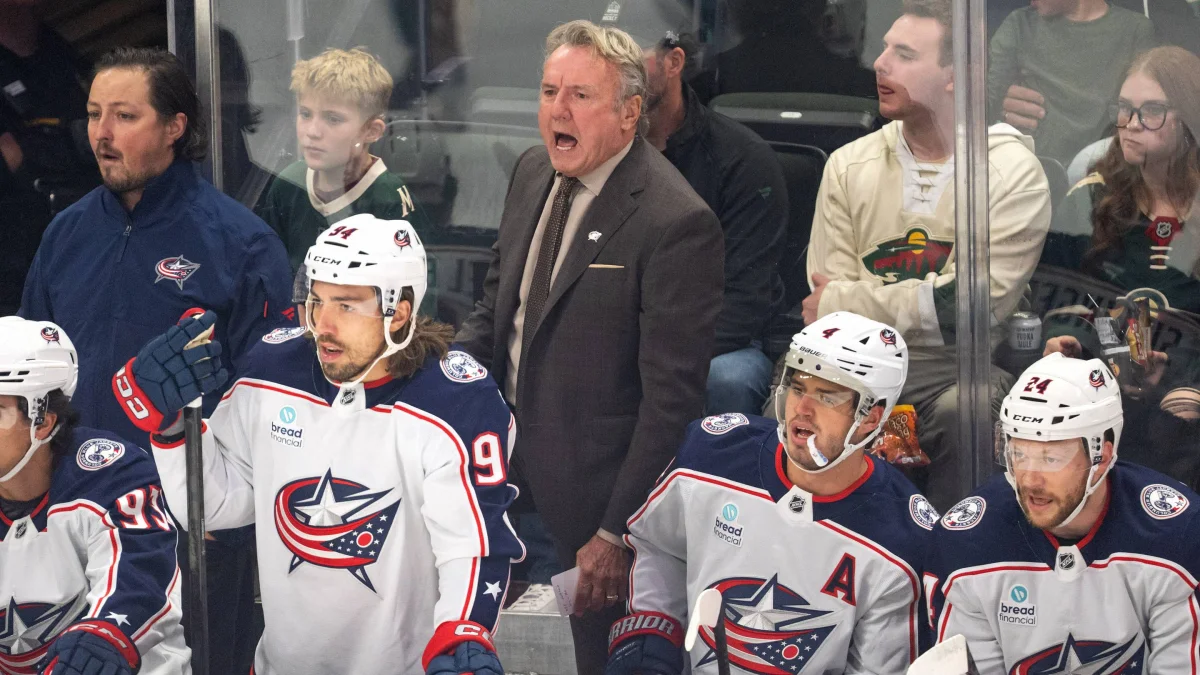
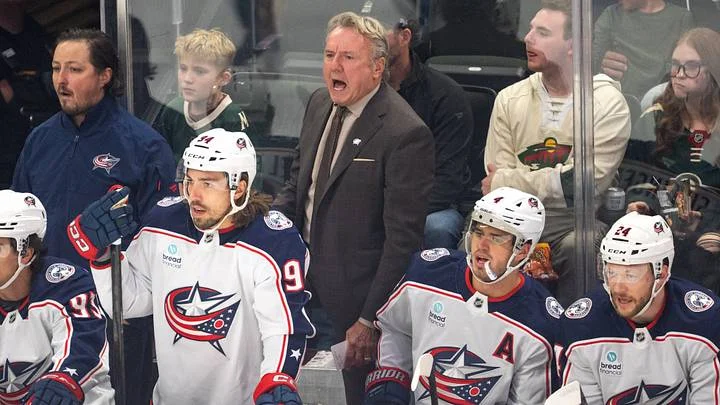
Columbus had enough energy to stay in a tight game against Minnesota. It didn’t have enough offense to turn that effort into points. The Blue Jackets fell 2-1 on the road, with Adam Fantilli’s goal their only scoring and the clearest sign of what their attack can look like when it gets a defense moving.

The result came on the second night of a back-to-back, with just 23 hours between starts. Minnesota had more rest, so Columbus’ pace and resilience were encouraging. Still, the challenge now is to carry that work rate into more sustained pressure around the opposing net.
A strong start, then a costly giveaway
The first period was Columbus’ best. The Wild earned an early 5-on-3 power play, but the Blue Jackets killed it and settled into a mostly even stretch. That penalty kill mattered: it kept Minnesota from building an early lead through its biggest advantage and gave Columbus time to find its footing.
The opening goal came from a mistake rather than a long spell of pressure. Carson Soucy attempted a cross-ice pass back toward his own end while Minnesota was applying pressure. A Wild stick disrupted the play, and Minnesota turned the takeaway into a rush and a goal by Danila Yurov.
That’s the sort of sequence that can make a close road game harder than it needs to be. Columbus had held through the 5-on-3, but the turnover gave Minnesota a direct route to the lead. Soucy’s decision will draw attention, particularly as the source describes him as having struggled over the previous couple of weeks. Jake Christiansen and Emil Andrae were also raised as possible alternatives, while Guillaume Richard was described as seemingly ready to go. The game account, however, doesn’t establish that a lineup change is coming.
Fantilli’s goal showed the route to scoring
Columbus responded quickly instead of letting the deficit dictate the rest of the game. Conor Garland generated a hard-working shift that drew a penalty. With the Wild goalie pulled for the delayed call, the Blue Jackets attacked with an extra skater and moved the puck around the perimeter to create room.
The play opened up when Sean Monahan sent a more dangerous pass through Minnesota’s defensive coverage to Zach Werenski. That connection disrupted the shape of the defense and gave Fantilli room to step into the chance. He fired through a screen from Valeri Nichushkin and beat Jesper Wallstedt to tie the game.
It was a useful example for Columbus’ power play: the perimeter movement helped, but the decisive moment came when Monahan pushed the puck into a more threatening area. Werenski’s involvement then pulled the coverage apart enough for Fantilli to attack. The goal rewarded a direct play through the defense, rather than relying on additional passes around the outside.
Columbus managed only eight more shots after the equalizer, according to the game account, and it didn’t identify another chance that seriously tested Wallstedt. Minnesota regained the lead early in the second period when Kirill Kaprizov scored the eventual winner. The Wild then limited the Blue Jackets’ opportunities as the game wore on.
Defense needs a scoring partner
Cam Talbot stopped 32 shots for Columbus, but his work couldn’t erase the gap at the other end. The Blue Jackets had split their weekend back-to-back while allowing two goals across the two games. That defensive showing is a meaningful step from a team that had recently faced criticism over its play without the puck. Yet the weekend also produced only two goals for Columbus.
That trade-off raises a question for a club trying to build consistency: can it defend responsibly without losing the offense that comes from its blue line? The game account points to the back end as a source of scoring, while also noting that Werenski played half of Columbus’ minutes over the weekend. A workload that heavy makes it difficult to expect him to solve every offensive problem himself.
The answer likely depends on getting contributions from multiple parts of the lineup and turning defensive stops into attack. The Minnesota game offered a promising response to adversity and a clear scoring sequence to build on, but the eight shots after Fantilli’s goal show how quickly the Blue Jackets’ threat faded. Their next game, against Toronto, is an immediate chance to test whether they can keep the defensive structure and create more consistent offense.