Could Evander Kane Fit the Oilers’ Fourth Line in a Reunion?
Kane’s scoring and physical play could help Edmonton’s bottom six, but discipline, mobility and a smaller role would decide whether a reunion makes sense.
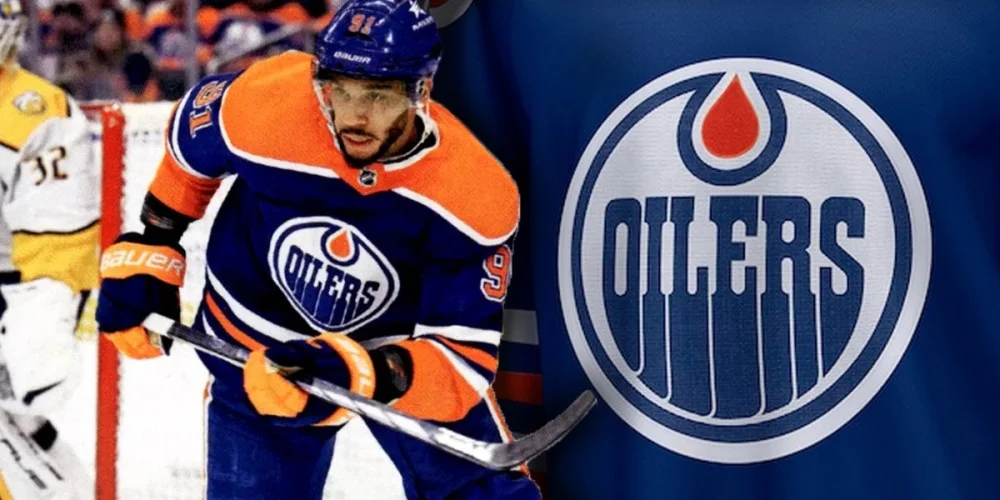
Evander Kane offers the Edmonton Oilers a familiar option for adding size and scoring depth, but a reunion only makes sense if the fit is defined by the fourth line’s actual needs. Kane is an unrestricted free agent, so Edmonton could explore the idea without giving up a draft pick or prospect. There’s no reported interest here, and a return appears highly unlikely. This is a hypothetical fit built around one question: can Kane help in a smaller role?
The case isn’t simply that he can play a physical game. Kane has also shown he can finish around the net, using strength and positioning to create chances in tight areas. That skill set could give a depth line another way to generate offence when a clean rush or extended possession isn’t available.
What Edmonton Could Get From Kane
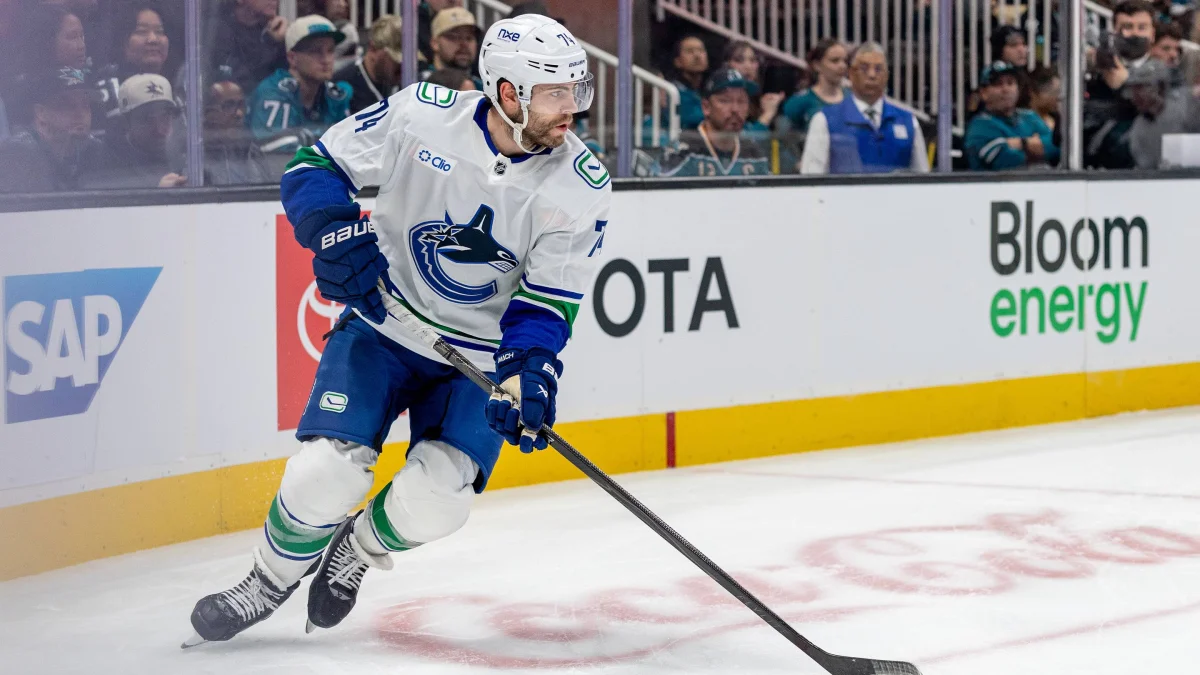
Kane recorded 13 goals and 31 points in 71 games with Vancouver during the 2025–26 season. That production would be useful from a fourth-line winger, but the role matters when assessing those totals. A player receiving substantially fewer minutes shouldn’t be expected to reproduce the same numbers automatically. Edmonton would need to decide whether Kane’s forechecking, net-front presence and occasional finishing would justify his roster spot even if his offence fell.
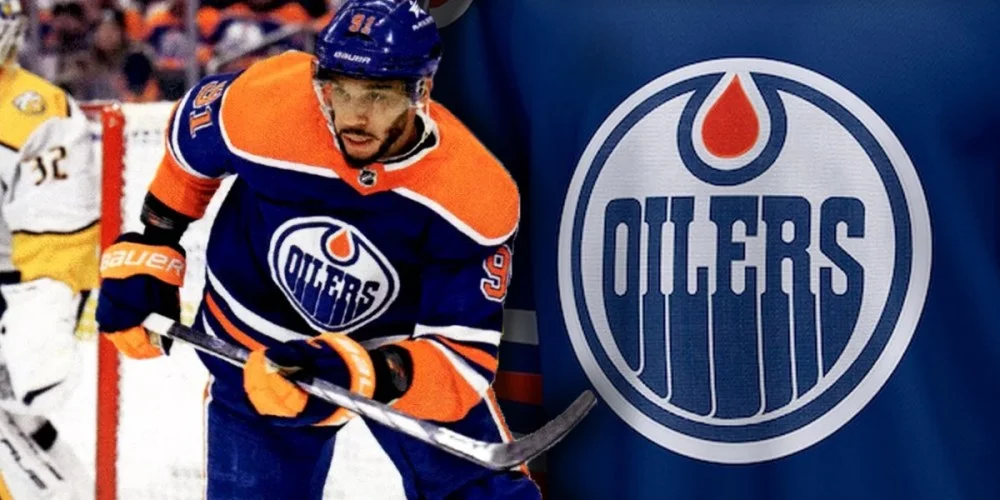
There’s also a recent playoff reference point. After returning from an injury absence, Kane recorded six goals and 12 points in 21 appearances during Edmonton’s 2025 postseason run. That history helps explain why the idea remains worth discussing: he has contributed in demanding games with the Oilers before. It doesn’t settle what he can offer now, though. Past production is a reason to evaluate the fit, not a guarantee of future results.
In a bottom-six assignment, the job would likely be simpler than asking Kane to carry offence. He could pressure opposing defenders, compete for pucks below the goal line, take up space near the crease and look for chances when the puck reaches the scoring area. Those are useful tasks if he can perform them consistently in shorter shifts and without a larger role becoming an expectation.
His physical presence would matter most when it serves those responsibilities. Finishing checks by itself doesn’t create value if it takes him out of position or prevents the line from keeping pressure on the puck. Edmonton would need to assess whether Kane can apply that edge while still supporting puck retrievals, defensive exits and coverage through the neutral zone.
Discipline and Mobility Remain the Tests
Kane’s penalty record is a substantial part of the evaluation. He finished last season with 92 penalty minutes. That figure includes more than penalties that put his team shorthanded, but it still makes discipline a central question. A physical winger has to distinguish useful pressure from an infraction that gives away possession and puts his team under pressure.
Shorter shifts could limit how often a bad decision affects the game, but they can’t remove the cost of a poorly timed penalty. If Kane were used mainly as a fourth-line winger, Edmonton would need him to bring force without turning that assignment into a regular source of disadvantage. The value of his aggressive play depends on how often it helps the Oilers win a puck or create a chance, rather than simply adding activity.
His skating needs a closer look than a broad judgment about whether he has lost too much speed. NHL EDGE tracking placed Kane’s maximum speed above the positional average last season. That measure is useful, but it doesn’t show every part of skating that matters over a shift. Acceleration, recovery after a change of direction and the ability to sustain pace through a forecheck all need attention. Edmonton would have to assess those details directly.
Linemates who retrieve pucks and support exits could help Kane work in a more contained role. But a supporting cast can’t solve every skating concern: if he can’t arrive in time to pressure a defender or recover into position, fewer minutes alone won’t fix it. The Oilers would need to judge his current movement in the situations the fourth line would face, not rely on a single top-speed figure.
Role and Price Would Shape the Decision
Any serious discussion would begin with expectations and cost. Kane would need to be comfortable with fourth-line minutes, limited opportunities on special teams and the possibility of being scratched. Edmonton, in turn, would need a commitment that matches a depth role. A significant salary or an expectation of prominent minutes would weaken the case for a reunion, because the value here depends on adding a useful option without disrupting the lineup’s structure.
That leaves a narrow but understandable argument for bringing him back. Kane has enough scoring history, physical play and playoff experience with Edmonton to merit a conversation if the Oilers need help on the fourth line. Yet familiarity shouldn’t decide the move. His current mobility, discipline and willingness to accept reduced minutes would determine whether his strengths carry over to the job.
The Oilers should consider a reunion only if Kane can improve the line in its day-to-day work. If he can bring pressure, protect pucks and provide occasional offence at a depth-level price, the fit has a logic. If those conditions aren’t there, the past connection won’t be enough.