Paul Maurice on Asking Tough Questions: Honest Reporting Gets Better Answers
The Panthers coach told student reporters to ask hard questions with a clear intent to learn, while keeping the confidence to do their jobs.
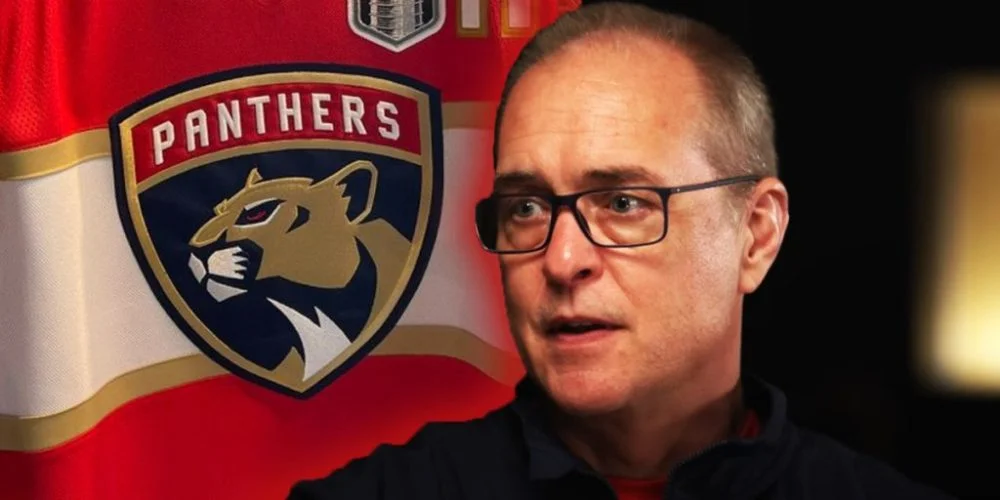
Paul Maurice’s advice to student reporters was simple: a tough question lands differently when it sounds like a genuine attempt to understand. The Florida Panthers coach said that even challenging questions can invite a more open answer when they’re asked without framing them as an accusation.
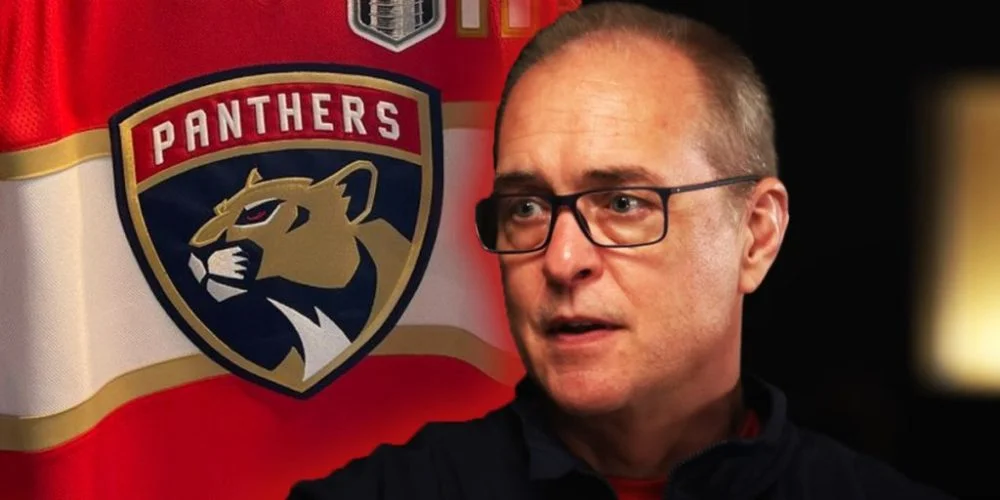
That distinction matters in hockey, where interviews often happen under pressure. A coach may be coming off a difficult game, a player may be asked to account for a costly mistake, and reporters still need to ask what their audience wants to know. Maurice’s point wasn’t that reporters should soften the substance. It was that the way they frame a question can shape the exchange that follows.
“So when you ask a question, if you can ask it in a manner of truly learning, I hear it differently,” Maurice told students. “And if you’ve got to ask a really hard question, then ask it from that perspective.” He described a question posed to learn the answer as different from one that sounds like a charge already made.
That approach gives a reporter room to be direct while making the purpose clear. Asking why a team struggled to close out a game, for example, can be a fair challenge; the question can still invite explanation if it leaves space for the person answering to describe what happened. The details will depend on the game and the response. The useful principle is to make the question about understanding the issue, rather than winning a confrontation.
Confidence and curiosity can coexist
Maurice also acknowledged the other side of the exchange: reporters don’t always meet a receptive interview subject. Coaches and players have different temperaments, and some may respond as though a reporter has overstepped simply by asking. Maurice’s advice was not to treat that reaction as a reason to abandon the question.
“It’s my job to ask the question,” is the response he described for reporters facing that attitude. They can bring confidence and backbone to the work while still coming from an honest place. In practice, those qualities serve different purposes: confidence helps a reporter ask what needs asking, while curiosity keeps the question focused on getting an answer.
Maurice said he hears a question differently when it’s put forward as an effort to learn, adding, “And I’ll be kinder in my answer.” That doesn’t promise that every answer will be complete or that every difficult exchange will become comfortable. It does offer a useful reminder for both sides of the microphone: the question’s framing can affect the tone, even when the subject is uncomfortable.
For reporters, that means paying attention to the difference between a pointed question and an accusatory one. The distinction isn’t always a matter of using softer words. A clear question can still name a failure, challenge an explanation or ask why a decision was made. What matters is whether its wording gives the subject a fair chance to address the issue.
A lesson for the interview room
The Panthers held a student media day at practice, where Maurice shared the advice. Mike Cugno, who posted video of the exchange, called it useful guidance for aspiring sports reporters. The setting gave students a chance to hear from a coach who spends much of his working life on the answering side of a microphone.
Reporters who have spoken with Maurice praised his willingness to engage with difficult questions. ESPN’s Kristen Shilton described him as genuine and communicative, and said she had been fortunate to ask him hard questions. She added that he answers while offering “a little something too that makes your spine straighten.” Mike McIntyre called Maurice one of a kind and said the response was “perfect in so many ways.” Mike Benton also praised the advice, urging people who work behind a microphone to listen.
Their reactions point to why the message resonated beyond the student session. A good interview isn’t measured only by whether the exchange feels pleasant. Reporters have a job to do, and subjects may have to answer questions about disappointing results, difficult decisions or their own performance. Maurice’s guidance offers a way to hold onto that responsibility without assuming that every question has to be framed as a clash.
For coaches and players, the advice carries a related lesson: a reporter’s difficult question is part of the work, even when its subject is frustrating. For a young journalist, the takeaway is more immediate. Prepare carefully, ask directly, and make the reason for the question clear. The answer may still be guarded, but a sincere effort to understand gives the conversation a stronger chance to get somewhere.
Maurice’s best point is that candor and respect don’t cancel each other out. A reporter can press for a real response without turning the question into a verdict. That balance is worth keeping in mind the next time the scrum gets tense.