Utah Mammoth Visit Maple Leafs as Toronto Looks to Clean Up Zone Exits
Toronto hosts Utah after a 4-2 win, with controlled defensive-zone exits and a shuffled forward group in focus.

The Maple Leafs’ clearest opportunity against Utah is at their own blue line. Toronto has the puck carriers to build dangerous attacks, but it needs more clean exits to reach the offensive zone with possession and keep pressure from turning into extended defensive shifts. That small improvement could shape the game at Scotiabank Arena.

The teams meet at 7:00 p.m. Toronto’s most recent game was a 4-2 regulation win over Vancouver on Oct. 31, leaving the Leafs at 8-6-2 and a .562 points percentage. Utah comes in after a 6-3 regulation loss to Philadelphia on Nov. 1. The Mammoth are 9-6-0, with a .600 points percentage.
Utah’s results and the goaltending question
Utah has been strong across much of its game, with the penalty kill identified as the main weakness. The more troubling issue in the source’s assessment is the team’s results in goals saved above expected: they have been poor despite goalies facing some of the NHL’s lightest workloads. That combination makes the Mammoth’s record harder to read as a simple reflection of their overall play.
When a team limits the number of shots its goalies face but still gets weak results in this measure, the chances that do get through carry added weight. Utah can do plenty well in front of its net, yet the finishing point of those defensive sequences has not produced the results the team needs. That’s the tension to watch: whether the Mammoth can keep Toronto’s attack manageable, and whether their goaltending can turn that structure into saves.
The source connects Utah’s reported attempt to acquire Connor Hellebuyck with that concern. It also compares the Mammoth’s early results to last season’s Senators. The comparison is broad, but it points to a familiar challenge: a team can show strengths across the lineup while still being held back by its results in goal.
Projected Utah lineup
These combinations are from Utah’s last game, as listed by Daily Faceoff:
Clayton Keller – Nick Schmaltz – Dylan Guenther
Logan Cooley – Vincent Trocheck – Lawson Crouse
Anders Lee – Barrett Hayton – Michael Carcone
Jack McBain – Kevin Stenlund – Liam O’Brien
Mikhail Sergachev – MacKenzie Weegar
Nate Schmidt – Andrew Peeke
Dmitri Simashev – Artem Duda
Sebastian Cossa
Karel Vejmelka
The listed combinations put Keller, Schmaltz and Guenther together on the top line, with Cooley, Trocheck and Crouse behind them. Toronto will need to know where Utah’s puck carriers are as the play develops, particularly when the Mammoth can turn a controlled exit into a quick entry. The listed goalie order names Cossa and Vejmelka but does not identify a starter.
Toronto adjusts without Tavares
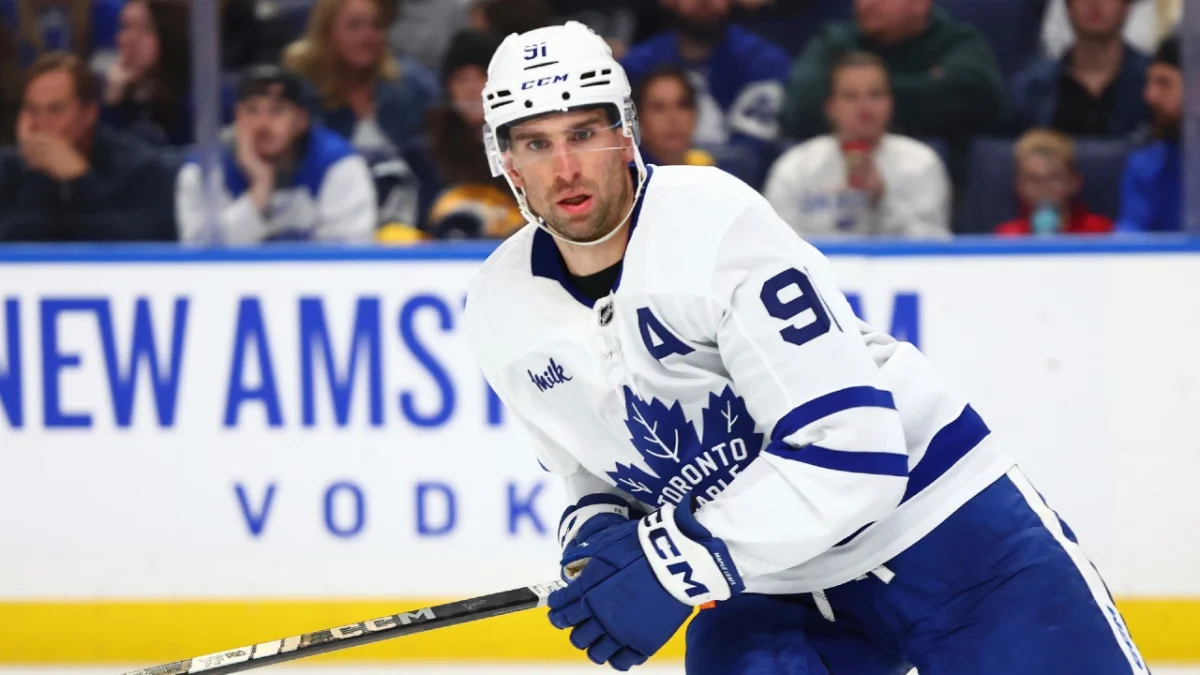
Toronto’s latest lineup changes put Dakota Joshua on the second line, alongside Nick Paul and William Nylander. The arrangement gives Joshua a net-front role while Nylander handles much of the puck carrying and adds speed. It’s a practical way to fill a spot while John Tavares remains day-to-day, though the source’s view is that Joshua is not an ideal long-term fit in that position.
Tavares skated with the team for the first time that day and was described as due back soon. His status leaves the Leafs balancing immediate lineup needs with the prospect of a change once he returns. For now, the reshuffle also moves Easton Cowan onto the top line with Auston Matthews and Jack Roslovic. Gavin McKenna shifts to Colton Sissons’ line, where the source says he has appeared comfortable. Toronto’s fourth line remains intact.
The combinations attributed to David Alter via Daily Faceoff are:
Easton Cowan – Auston Matthews – Jack Roslovic
Dakota Joshua – Nick Paul – William Nylander
Gavin McKenna – Colton Sissons – Vinni Lettieri
Brandon Duhaime – Teddy Blueger – Zack MacEwen
Jake McCabe – Darren Raddysh
Morgan Rielly – Chris Tanev
Oliver Ekman-Larsson – Troy Stecher
Sergei Bobrovsky – starter
Anthony Stolarz
The listed Toronto lineup identifies Bobrovsky as the starter. The source gives no further detail on the goaltending decision, so the central lineup story is the forward shuffle and Tavares’ day-to-day status.
Control the first pass, control the pace
The last meeting between these teams featured Toronto giving up a lead, then pushing back in the third period without completing a road win. By the account provided, the sides were fairly even across most measures, with unusually high penalty minutes adding another feature to the game. That history sets up a useful test for the Leafs: can they make their possession more reliable before the puck leaves their defensive zone?
Toronto’s path is not complicated, though carrying it out under pressure is. A few more controlled exits would let its skilled forwards attack with pace, instead of spending shifts chasing the play after a turnover or sending the puck away without a clear recovery plan. Better control at the defensive blue line could also reduce the scramble that leads to penalties and drains time without creating offense.
The same principle applies across the ice: winning a retrieval matters most when the next touch keeps possession. But the focus against Utah is narrower. If the Leafs can improve their decisions and puck control near their own blue line, they have the players to turn that cleaner start into quality offense. That makes Toronto’s first pass out of trouble one of the game’s most telling details.