Avalanche Power Play Must Shoot More to Capitalize Against Lightning
Colorado’s extra-man unit has created pressure but managed one goal in three games under Brett McLean. More decisive shooting matters against Tampa Bay.
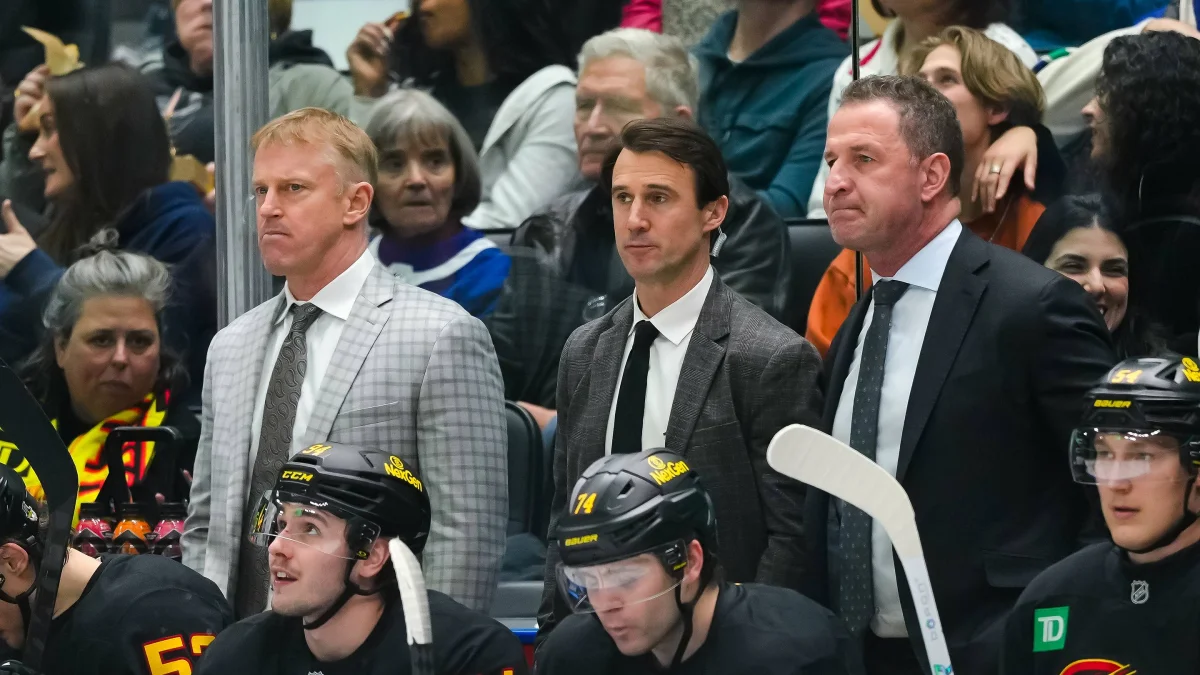
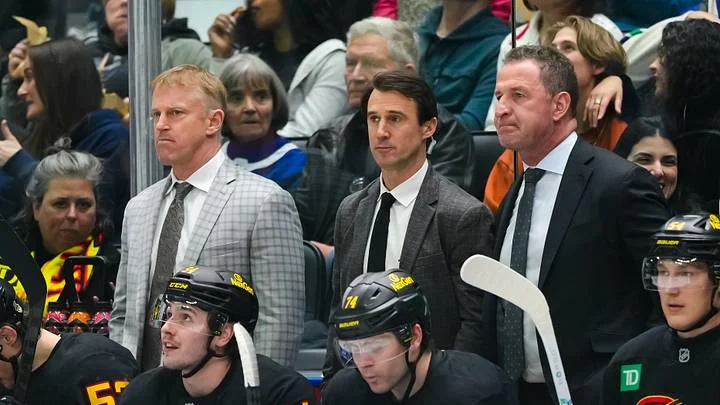
Colorado’s power play has had chances to turn pressure into production, but too often the Avalanche have looked for one more pass instead of taking the shot. That hesitation is becoming harder to excuse. With Brett McLean now responsible for the special teams unit, the next step is clear: make opponents defend the puck at the net and make the most of the time available with a skater advantage.

McLean took over the role after Dave Hakstol departed for Arizona State, a move reported here. There have been encouraging stretches since the change, with Colorado generating pressure. But the production remains limited: the Avalanche have scored one power-play goal in the three games McLean has been around.
Pressure needs to become a threat
Generating possession and moving the puck are useful only if they lead to attempts that challenge the penalty kill. Colorado has enough skill to create openings, yet the unit can spend too long searching for a perfect look. Every extra pass gives defenders another chance to close a lane, disrupt the setup or wait out the advantage.
The issue isn’t that every possession must end with a shot from anywhere. A forced attempt can hand the puck away and make a power play less dangerous. The problem comes when a good shooting chance appears and the Avalanche hesitate. A shot can produce a rebound, a deflection or a scramble; another pass may produce none of those. The unit needs to recognize when the opening is good enough and attack it.
That decision matters especially as a power play winds down. There is less time to reset and build another clean sequence, so a team that keeps moving the puck without testing the goaltender risks letting the advantage expire without making the defense pay. Colorado’s challenge is to keep its puck movement purposeful while making the net an immediate option.
Philadelphia exposed the hesitation
The loss to the Philadelphia Flyers offered examples of the problem. Colorado found some promising looks, but there were moments when the opportunity to shoot didn’t turn into an attempt. Those are small decisions with a direct effect on a game: a delayed release can allow a defender to recover, while a quick shot at least forces the penalty kill to respond.
That doesn’t make the power play solely responsible for the loss, and the source account provides no game score or specific sequence to support that conclusion. It does make the special teams performance a clear area for improvement. When a unit has chances and doesn’t finish them with shots, the absence of a goal can’t be explained away as bad luck alone.
McLean’s task is to help the group turn its skill into simpler, more direct pressure. Nathan MacKinnon and Martin Necas give Colorado a dangerous forward pairing, while Cale Makar and Devon Toews add high-end ability from the back end. Those names make the unit’s potential obvious, but talent by itself doesn’t decide when to shoot. The players still have to read the coverage, trust the opening and act before it disappears.
A demanding test against Tampa Bay
Colorado’s opportunity to improve comes with a difficult opponent in Tampa Bay. Andrei Vasilevskiy had a 5-2 record and a 2.46 goals-against average through seven games in the season snapshot described by the source. His save percentage was below .900 over that same span. Those figures point in different directions: he had been winning games and limiting goals, while his save percentage left room for opponents to find success.
That’s a reason for Colorado to test him, not a guarantee that shots will beat him. The Avalanche will need to make their attempts count, look for rebounds and keep traffic around the net if they want to turn any openings into goals. A power-play goal against a goaltender of Vasilevskiy’s calibre would carry an extra lift, particularly for a group trying to find consistency.
Colorado has enough offensive talent to make its advantage count, and its recent stretches of pressure suggest the unit can create opportunities. The more telling measure now is whether that pressure ends with a shot when the chance is there. If MacKinnon, Necas and the rest of the group make quicker decisions, the power play can give the Avalanche a more reliable route to scoring. If the passing continues after the opening has appeared, the same problem will follow them into the next game.