Avalanche Fatigue Concerns Put Jared Bednar’s 11-7 Lineup Under Scrutiny
Colorado’s uneven play raises questions about accumulated workload, Bednar’s line rotation and whether a few days off can help reset the team.
Colorado’s uneven early-season play has raised a question that could shape how the Avalanche manage their lineup: are their most important players carrying too much accumulated workload? Fatigue is only one possible explanation, but the comparison with Florida’s recent downturn gives the concern some weight.

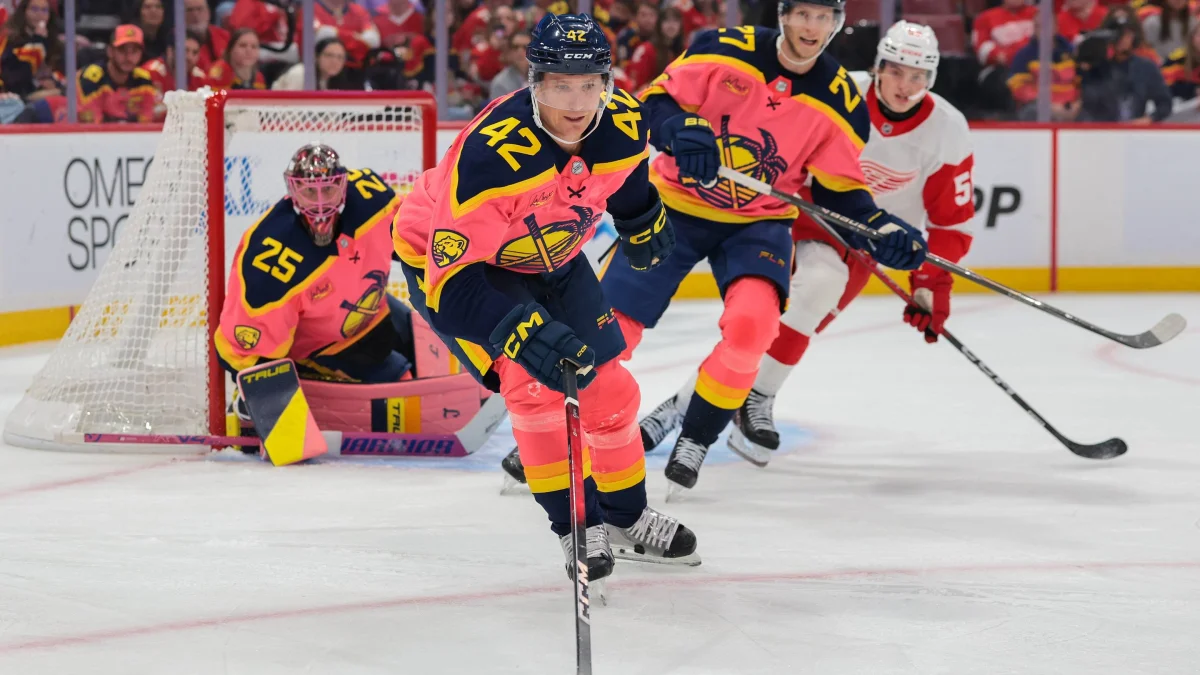
The Panthers reached the Stanley Cup Final three straight times, then fell to the bottom of the Eastern Conference last season as injuries mounted. Colorado isn’t facing that same outcome by any measure. Still, the pattern is a reminder that long runs of demanding hockey can catch up with a roster, especially when its central players shoulder much of the load year after year.
The Avs have had uneven, low-energy performances this season, including a comeback that fell short against Philadelphia. That kind of inconsistency doesn’t prove the team is worn down. It does, though, make workload worth examining alongside execution, coaching decisions and roster depth.
A heavy workload for Colorado’s core
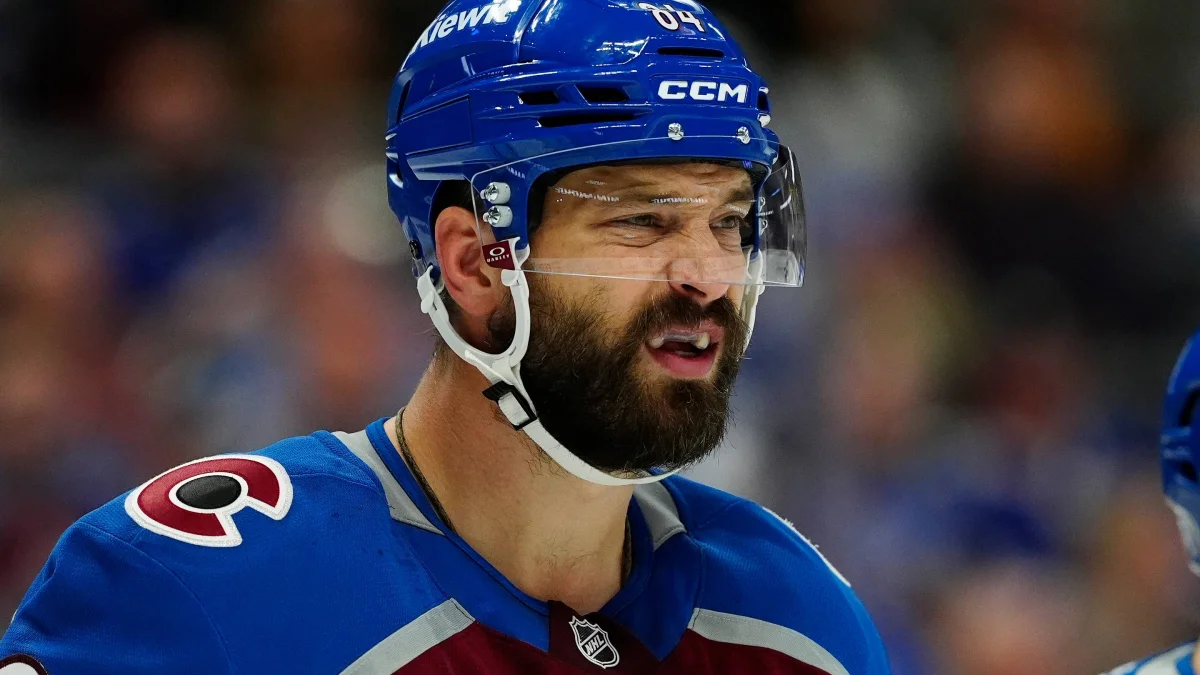
Brent Burns is 41 and continues his Ironman streak, while Cale Makar has stayed in the lineup despite dealing with a shoulder injury at the end of last season and during the playoffs. Nathan MacKinnon, Nazem Kadri, Gabriel Landeskog, Artturi Lehkonen, Devon Toews, Josh Manson and Martin Necas have also logged substantial hockey over the past couple of years.
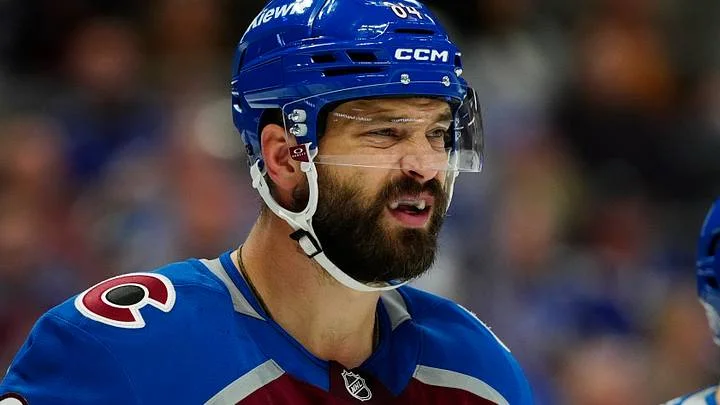
That workload extends beyond NHL games. MacKinnon, Makar, Toews, Lehkonen, Necas and Landeskog also played in the 2025 4 Nations Face-Off and the 2026 Olympics. Those tournaments added more games and travel for players who already carry major responsibilities in Colorado. The source points to no single injury or data point that confirms fatigue; the concern is cumulative, and its effects can be difficult to separate from an ordinary stretch of inconsistent play.
There’s a practical difference between saying a player has played a lot and concluding that he’s tired. Coaches and team staff have to weigh the full picture, including how players look on the ice and what options the roster gives them. But when the same core handles heavy minutes and a team’s performances swing from game to game, managing shifts and keeping more players involved become reasonable questions.
Bednar’s rotation adds another factor
Jared Bednar shares responsibility for how Colorado handles that workload. The Avalanche have leaned on an 11-forward, seven-defenceman setup, a choice that can change how often each forward gets into the game. If the same core players keep taking the most meaningful shifts, adding another skater to the lineup may not provide much relief.
Colorado recently called up forwards Gavin Brindley and Taylor Makar. Their presence gives Bednar additional options, but a call-up only changes the workload if those players receive regular opportunities. If they see roughly eight minutes a night, the lineup gains depth on paper without necessarily reducing the burden on the established group.
That’s the coaching challenge: find a rotation that gives the trusted players room to breathe while letting newer options contribute enough to earn confidence. Four consistent forward lines could spread the work more evenly. If Bednar doesn’t trust the available depth to fill those roles, then Colorado’s roster decisions become part of the same discussion. Joe Sakic would need to assess whether the group has the personnel to support that approach.
The team’s strange early-season performances can’t be pinned on one cause. Players still have to execute, and the front office shares responsibility for building a roster that can handle the season. A tactical adjustment alone won’t erase the accumulated demands on the core, just as fatigue can’t account for every breakdown in a game.
The next game offers a chance to reset
Colorado’s Wednesday game follows a few days off after its poor showing in Nashville on Sunday. The break could give players some rest and offer Bednar a chance to reconsider how the lineup is being used. One game won’t settle whether fatigue is behind the inconsistency, but the response will be worth watching: who plays, how the minutes are distributed and whether the team brings more consistent energy.
My read is that Colorado should treat workload as a real possibility while avoiding a single-cause explanation. If the Avalanche want their core fresh for the long haul, the next step is to make sure their lineup choices give more players a meaningful role. The days off may help in the short term; a steadier rotation would be the more telling test.