Brent Burns’ Early Numbers Leave Colorado With a Third-Pairing Puzzle
Nestor Quixtan664 reads
Burns has three assists in 12 games and a poor early WAR reading, while Colorado must balance his role against workload for its top four.
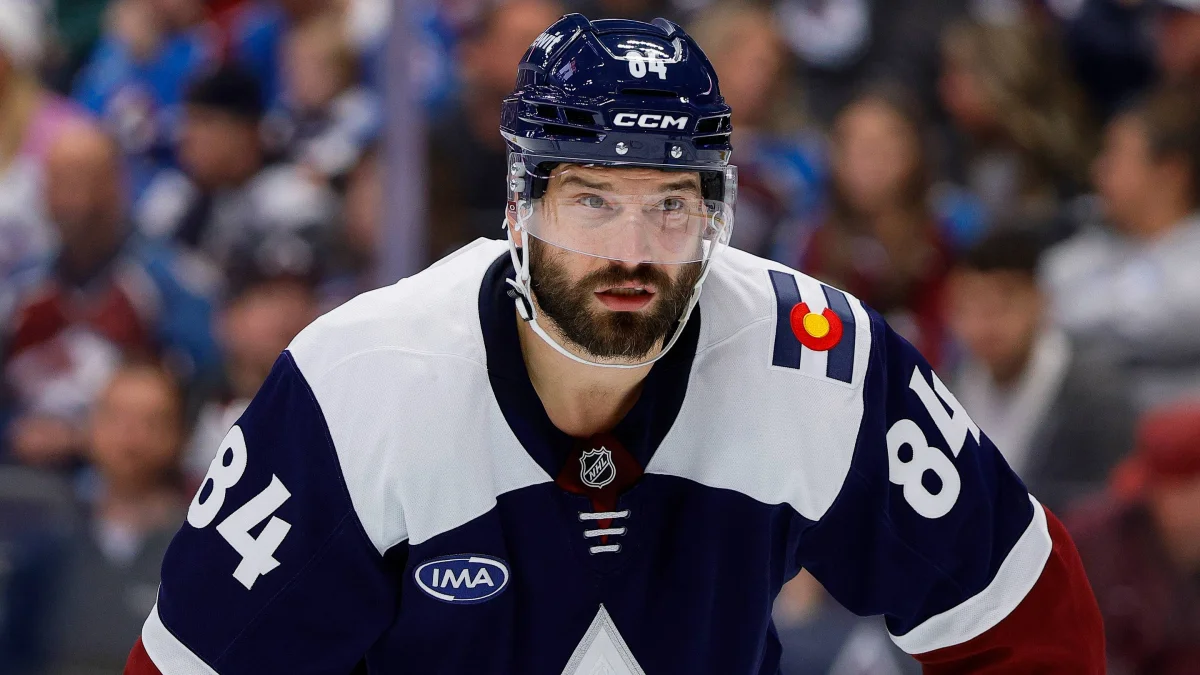
Brent Burns’ early numbers have turned Colorado’s third pairing into a difficult balancing act. The 41-year-old defenseman has three assists through 12 games, and his negative impact in the Avalanche’s loss to Nashville sharpened questions about his current form. But reducing his role could shift more work onto a top four the team may already be trying to protect.
That tension matters more than one rough night. Colorado has been searching for consistency across the lineup, and Burns’ results add another issue for coach Jared Bednar to manage. The numbers suggest the veteran hasn’t given the Avalanche enough so far. They don’t, on their own, settle what his next role should be.
A poor result in a single game
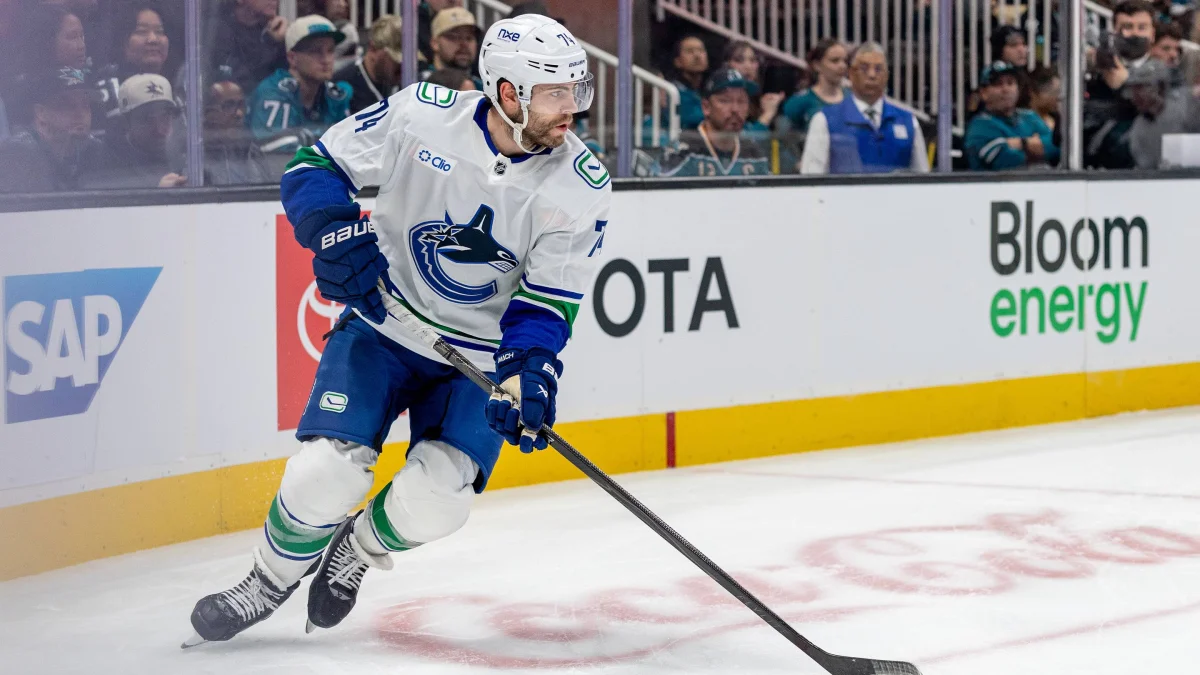
After Sunday’s loss to the Nashville Predators, Burns recorded a minus-0.46 Wins Above Replacement (WAR), according to the nightly figures shared by Hockey Stats. That tied him with Vancouver Canucks defenseman Luke Schenn for the lowest rating among players in the posted results.
A single-game WAR figure is a snapshot, not a complete verdict on a player’s season. It can underline how damaging one performance looked in context, but it shouldn’t be treated as a stand-alone measure of a defenseman’s value over a longer stretch. The more useful question is whether the broader indicators point in the same direction.
For Burns, the early picture is uncomfortable. He’s averaging about 14 minutes at five-on-five, with nearly two minutes on the penalty kill. That workload fits a third-pairing role, where the expectation is different from what Colorado asks of its top defensemen. Still, the Avalanche will want that assignment to produce steadier shifts and more contribution than the current scoring line suggests.
The bigger concern is the season trend
Three assists in 12 games leave Burns without much offensive impact so far. Colorado isn’t counting on a return to his Norris Trophy form, but his experience and ability to move the puck still make his contribution relevant. If he isn’t generating offense, the rest of his game has to help the pairing hold its ground.
The source’s relative expected-goals figure adds another reason for concern: Burns is at minus-7.2 in that measure this season. It points to a poor share of expected scoring chances while he’s on the ice, though it doesn’t explain by itself what’s driving the result. Pairing context, opponents, and the team’s performance around him all matter when interpreting a number like this. The figure is a signal to watch, not proof that one player alone is holding Colorado back.
That distinction is important for a team dealing with uneven play across its lineup. A defenseman can struggle within a pairing, while the pairing can also be affected by the forwards and situations around it. The available figures raise the question of whether Burns and Josh Manson are giving Colorado enough together; they don’t identify a simple fix.
Changing the minutes has a cost
Burns’ historic Ironman streak makes a healthy scratch an especially difficult option, according to the source. That creates a practical constraint for Bednar: Burns is likely to stay available, so the coaching staff has to consider how to use him rather than treating removal from the lineup as an easy response to poor results.
One possible adjustment would be to trim the third pair’s ice time. But those minutes have to go somewhere. If Cale Makar and Devon Toews absorb more of them, Colorado would increase the burden on its top pairings. The Avalanche have also faced concerns about fatigue, making extra work for their leading defensemen a trade-off rather than a clean solution.
That leaves Bednar with a narrow set of choices. He can keep the current workload and look for Burns and Manson to stabilize their shifts, or redistribute some minutes while monitoring how the top four respond. Either approach carries a cost: staying put risks more underwhelming third-pairing results, while a heavier load for the top four could add strain elsewhere.
There’s no basis in the available information to say which adjustment Colorado will make. The immediate read is that Burns’ current production and underlying figure haven’t matched what the Avalanche need from the pairing, even with third-pairing minutes. The next stretch should show whether the numbers reflect a brief slump or a role that needs rethinking.
For now, Colorado’s challenge is to find a sustainable distribution of defensive minutes. Burns’ experience and streak complicate the lineup decision, while the team’s concern about fatigue limits how freely it can lean on Makar and Toews. The clearest thing to watch is whether Burns and Manson can deliver more reliable shifts without forcing the Avalanche’s top four to carry an even larger share.