Avalanche Must Answer Devils’ Hot Start After Flat Loss to Nashville
Colorado faces a four-game Devils win streak after a 6-2 loss exposed a worrying gap in shots and defensive pressure.
The Avalanche have a clear response to make against New Jersey: set the pace early and sustain it. Colorado returns home after a 6-2 loss to Nashville, while the Devils arrive riding a four-game winning streak and having played the night before. The schedule gives the Avalanche a rest advantage, but their last game showed that extra time between outings means little if the opening effort isn’t there.

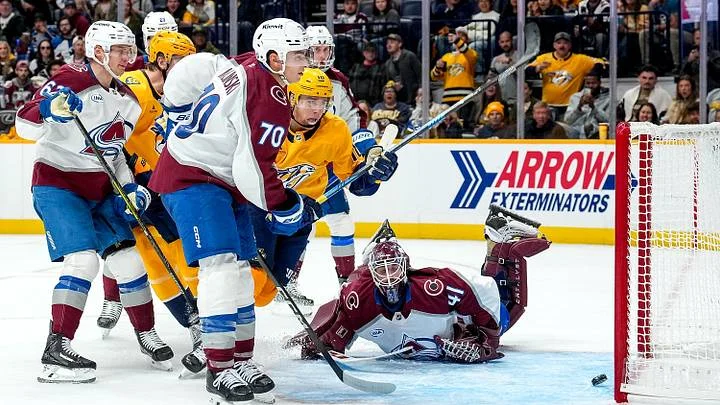
New Jersey is 8-4, and its recent run gives the matchup a sharper edge. Colorado’s concern is less about one early-season result than the pattern behind the defeat: the Avalanche struggled to contain Nashville, generated too little volume of their own and let an opponent that had played the previous night dictate the game. A similar start against the Devils would hand a confident team an opening to control the contest.
The Nashville loss raised familiar questions
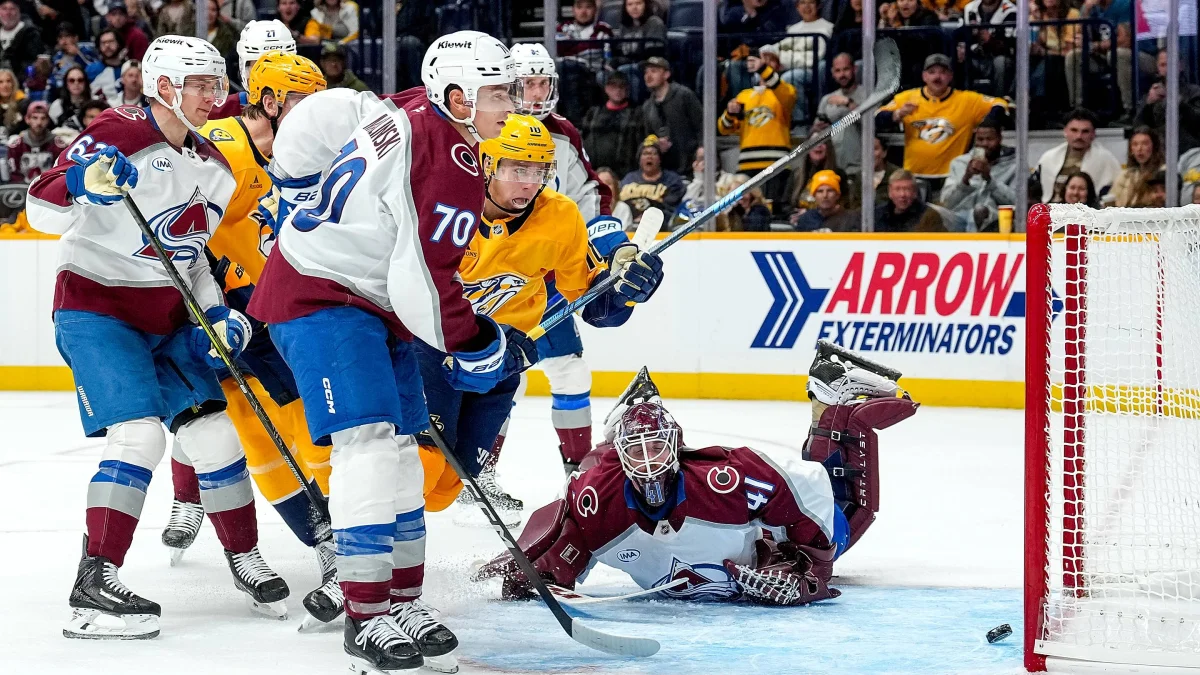
Nashville finished with 35 shots on goal to Colorado’s 21, a 14-shot difference. That gap is striking for an Avalanche team accustomed to driving play and producing pressure. The total doesn’t include attempts that missed the net or were blocked, so it can’t describe every attacking sequence. Still, the shots-on-goal count points to a game in which Colorado didn’t generate enough sustained threat.
The contrast in rest makes the result harder to shrug off. Nashville had played the night before; Colorado had a day between games. Rest doesn’t guarantee a strong performance, and a single game doesn’t establish a season-long trend. But when the rested team is outshot by 14 and loses by four goals, the performance deserves scrutiny. Colorado has to show that the Nashville game was an outlier through its work on the ice, not simply move past it.
Six Avalanche players finished without a shot on goal. Among the forwards, Gabriel Landeskog, Parker Kelly, Martin Necas and Fedor Svechkov each recorded zero. Defensemen Sam Malinski and Josh Manson also had no shots. A player’s shot total alone doesn’t measure his full contribution, and zero shots doesn’t prove that a forward was uninvolved. But when four forwards don’t put a puck on net in a game Colorado is chasing, the group needs more ways to turn possession and puck movement into a direct threat.
That’s especially relevant against a Devils team coming in with momentum. New Jersey’s four straight wins don’t guarantee another one, but a team playing confidently can punish slow starts. Colorado needs its forwards involved early, its defense contributing to clean exits and the full group competing for the puck. Those details help prevent long stretches spent defending and create more chances to establish the Avalanche’s preferred pace.
Division position makes the response matter
Minnesota leads the Central Division with 20 points, putting Colorado seven points behind the top spot. There’s plenty of season left, so that gap isn’t a verdict on where the Avalanche will finish. It does make each chance to collect points more valuable, particularly when the club has the talent and expectations to contend near the top of the division.
Colorado’s slow starts have been a familiar talking point. The source of that concern isn’t a claim that every early stumble will persist; it’s the risk of letting inconsistent performances build into a larger standings problem. The Avalanche can still make up ground, but they’ll need a steadier level of play than they showed against Nashville if they want to keep pace with Minnesota.
The goal is not simply to chase another Presidents’ Trophy. Colorado’s larger ambition is to contend for the Stanley Cup, and that requires dependable performances across the schedule. Every team has an uneven night. The frustrating part for Avalanche fans is seeing a team with championship aspirations produce too many stretches in which its opponent sets the terms.
The Devils game is an immediate measure of whether Colorado can reset. New Jersey’s winning run and the back-to-back schedule give the matchup an obvious setup, but the Avalanche can’t rely on the calendar to do the work. They need to start with urgency, create more pressure than they did in Nashville and defend with enough structure to keep the Devils from building on their momentum. A strong response would ease concerns about the loss; another flat opening would make the early-season inconsistency harder to dismiss.