Quinn Hughes’ Canucks Exit: Why Vancouver Fans Share Some of the Blame
Hughes’ rise and sudden exit left Canucks fans hurt, but the warning signs were there. Vancouver’s history suggests time may soften the split.
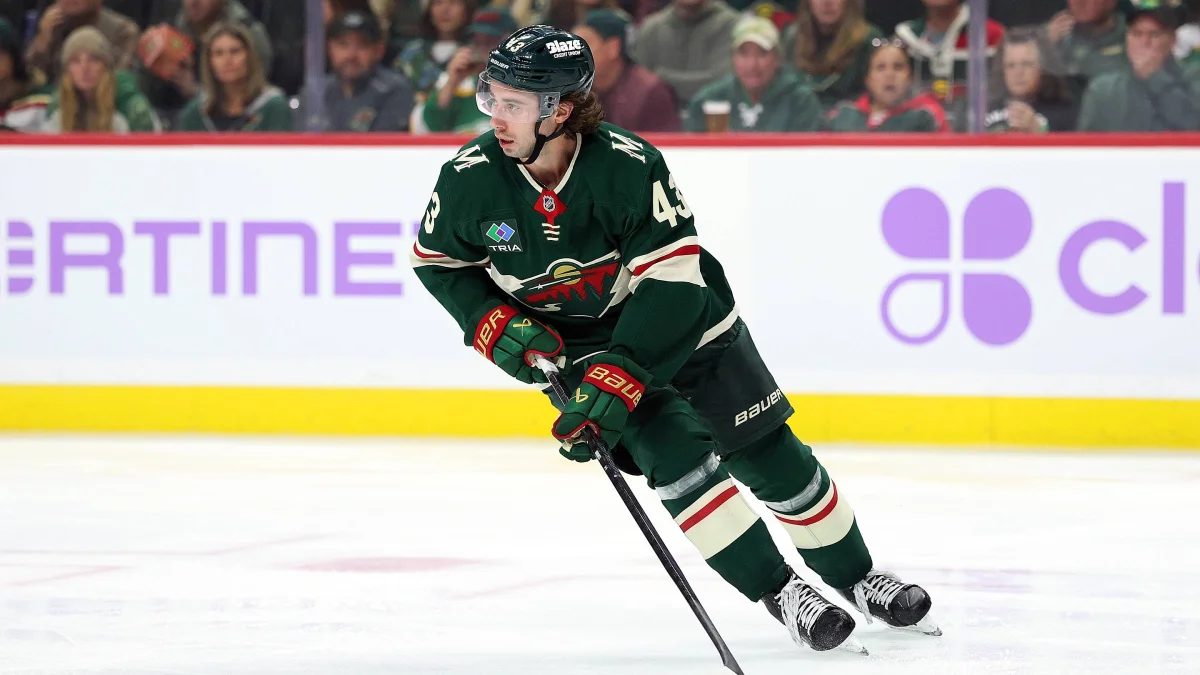
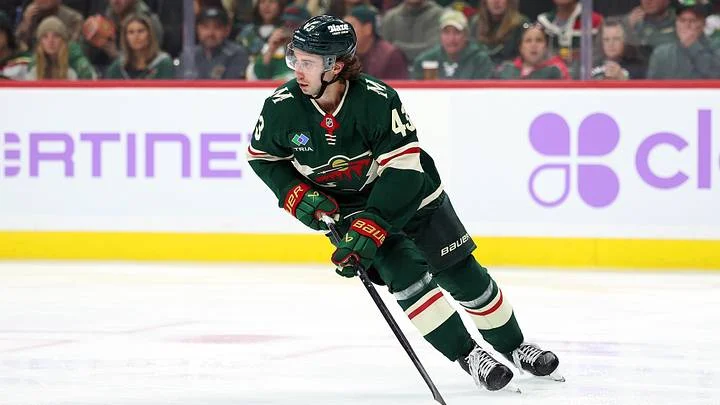
Quinn Hughes’ departure from Vancouver stings because his best years there seemed to make a longer future inevitable. But the Canucks’ December 12, 2025, trade of their captain to the Minnesota Wild also exposed a hard truth for fans: his brilliance on the ice made it easy to overlook signs that his ties to the team might not last.

That doesn’t excuse how the relationship ended, or settle who deserves the most blame. It does make the split more complicated than a story of a player who simply walked away from a city that loved him. Vancouver had reasons to believe in Hughes. It also had reasons to question whether he saw the same future.
A draft-night rush that became a long bond
The Canucks picked seventh in the 2018 NHL Draft. Montreal selected Jesperi Kotkaniemi third, and Arizona took Barrett Hayton fifth. Detroit passed on Hughes, a University of Michigan defenseman, to choose Filip Zadina. Vancouver got the player it wanted, and his skill made an immediate impression.
Hughes’ skating, passing and ability to create offense gave fans plenty to fall for. His first full season brought 53 points as Vancouver came within one win of the conference final. He finished second in Calder voting, though his defensive game still needed work. One analysis of his 2020-21 season pointed to defensive-zone turnovers, trouble in puck battles and vulnerability off the rush. His expected goals share was 44%, while his relative goals share was minus one percent.
Those weaknesses didn’t erase what he could do with the puck. Hughes developed, improved his shot and became a more complete defender. He scored 17 goals in 2023-24, and his plus-minus moved from minus-24 in 2020-21 to plus-38 in 2023-24. His improved shot and his defensive progress helped turn promise into sustained impact.
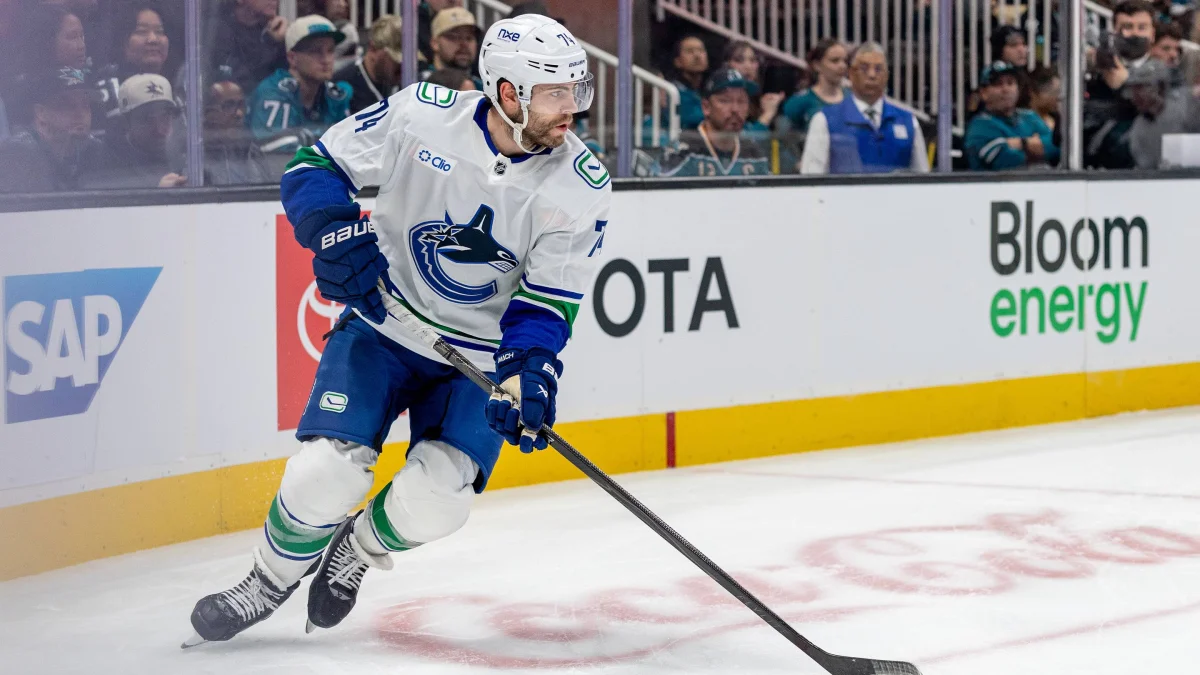
He also became the first defenseman in Canucks history to win the Norris Trophy. Named captain on September 11, 2023, Hughes led Vancouver to Game 7 of the Western Conference second round the following spring. The Canucks lost by one goal to the Edmonton Oilers, who went on to finish as Stanley Cup runners-up. For fans, that run strengthened the sense that Hughes could be the centerpiece of a team that would eventually go further.
The warning signs were easier to miss
Hughes signed a six-year extension after his entry-level contract, rather than the maximum eight years that top players commonly pursue. Reports at the time said he was “open” to a longer deal, but the shorter term left Vancouver facing the question of his future sooner than an eight-year commitment would have.
His brothers, Jack and Luke, play for the New Jersey Devils, and Quinn had spoken openly about the appeal of playing with them. At the end of 2024-25, former Vancouver hockey operations president Jim Rutherford suggested the Canucks could pursue both brothers to help keep Quinn in town. That idea showed how much of the team’s future planning had become tied to a possibility the organization couldn’t control.
Management also extended Brock Boeser, Conor Garland and Thatcher Demko, players close to Hughes, in an apparent effort to keep the group together. The source article argues Hughes neither demanded those contracts nor promised to stay if they were signed. Rutherford and general manager Patrick Allvin later said they knew he wouldn’t re-sign. If so, the public hope and the private understanding were far apart.
There were concerns about Hughes’ place in the room, too. Jason Brough said on the Halford and Brough podcast that he had heard Hughes was often late and liked to sleep in. That’s a reported account, not a complete picture of his relationships with teammates. Still, it complicates the claim that the locker room was solely a reason for his departure, particularly when that dynamic was cited in coverage of his exit.
Hughes’ community work was also mixed. Through his Team 43 Ticket Program, he donated four tickets to every home game and gave money toward relief and food programs. The article says his public appearances were less frequent than fans hoped. Those contributions matter, but so does the distance supporters felt.
A difficult final stretch
Vancouver’s 2024-25 season began with high expectations, then went off course. The team started slowly, its room was described as divided, players were moved, injuries affected Hughes’ availability and effectiveness, and the playoff hopes faded. Hughes was unhappy, but fans could still tell themselves those were temporary problems.
The strain continued into 2025-26. With two years left on his contract, Hughes avoided questions about an extension. The source describes him as trusting teammates less and trying to do too much himself, pointing to a clip cited as an example. In late November, Wyatt Arndt questioned Hughes’ effort on a loose puck during a power play in a post on X. Another post on December 4 criticized his backchecking and his approach to the media, though that criticism reflects the poster’s opinion, not an established verdict on Hughes’ leadership.
By the time Vancouver traded him, the distance felt unmistakable. The article reads his muted postgame manner and apparent disengagement as evidence that he wanted out. That interpretation may reflect a frustrated fan’s view, but the unanswered extension questions and the club’s account of its own expectations help explain why the ending felt less sudden to management than it did to supporters.
What Vancouver may take from the split
This isn’t the first painful departure involving a Canucks star. Ryan Kesler, Roberto Luongo and Pavel Bure also left Vancouver amid strained feelings. The source argues that none won a Stanley Cup with his next team and that time eventually softened those departures. That history offers a reason to expect perspective to change, though it can’t guarantee Hughes will follow the same path.
Vancouver now has to turn the return from the Minnesota deal into part of its next chapter. The article points to Adam Novotny, selected with the first-round pick acquired in the trade, as a possible new favorite for fans to follow. A prospect can’t replace what Hughes meant in the short term, but his development will help determine whether the move gives the Canucks something lasting.
For now, fans can boo Hughes or welcome him back when he returns. Either response makes sense after a split this bitter. The clearest takeaway is that Vancouver’s love for Hughes grew from real achievements, while the belief that he would stay forever depended on assumptions the Canucks couldn’t secure. He remains the greatest defenseman in franchise history in the source’s view, and much of his career will always be linked to Vancouver. Whether he signs an extension in Minnesota remains an open question—and another reminder that the next chapter belongs to him.