Panthers’ Early Deficit Habit Puts Their Slow Start Under the Microscope
Florida has earned points while chasing games, but it has allowed the first goal in 72.7% of its first 11 outings.


Florida’s ability to claw back into games has softened the impact of a persistent early-season problem: through 11 games, the Panthers have conceded the first goal in 72.7% of them. They’ve collected eight standings points in those games, a better return than at the same stage last season, but repeatedly starting behind leaves little margin for error—especially with the club entering Sunday’s matchup in Chicago on a two-game skid.

The Panthers are 5-4-2, and their latest losses have been emphatic. They’ve been outscored 9-1 across the two defeats, including a 4-0 shutout loss in Pittsburgh. Florida hasn’t scored in five periods. That recent stretch follows an uneven run that included an 8-3 win over Seattle, making the contrast hard to ignore: the team has shown it can erupt offensively, but it has too often had to spend the opening minutes trying to catch up.
Early leads have been hard to come by
Florida’s season began with a 1-0 overtime win over Carolina. The Panthers didn’t score the first goal in regulation; the game remained scoreless until Florida found the winner in overtime. On the team’s California trip, San Jose, Anaheim and Los Angeles each scored first. Florida lost the first two games in overtime, then rallied to beat the Kings 2-1.
The home opener brought a more damaging version of the same pattern. Minnesota struck first and went on to win 4-1, giving Florida its first multi-goal loss of the season. The Panthers also fell in Buffalo after conceding the opener, then answered the next day with a comeback win over Columbus.
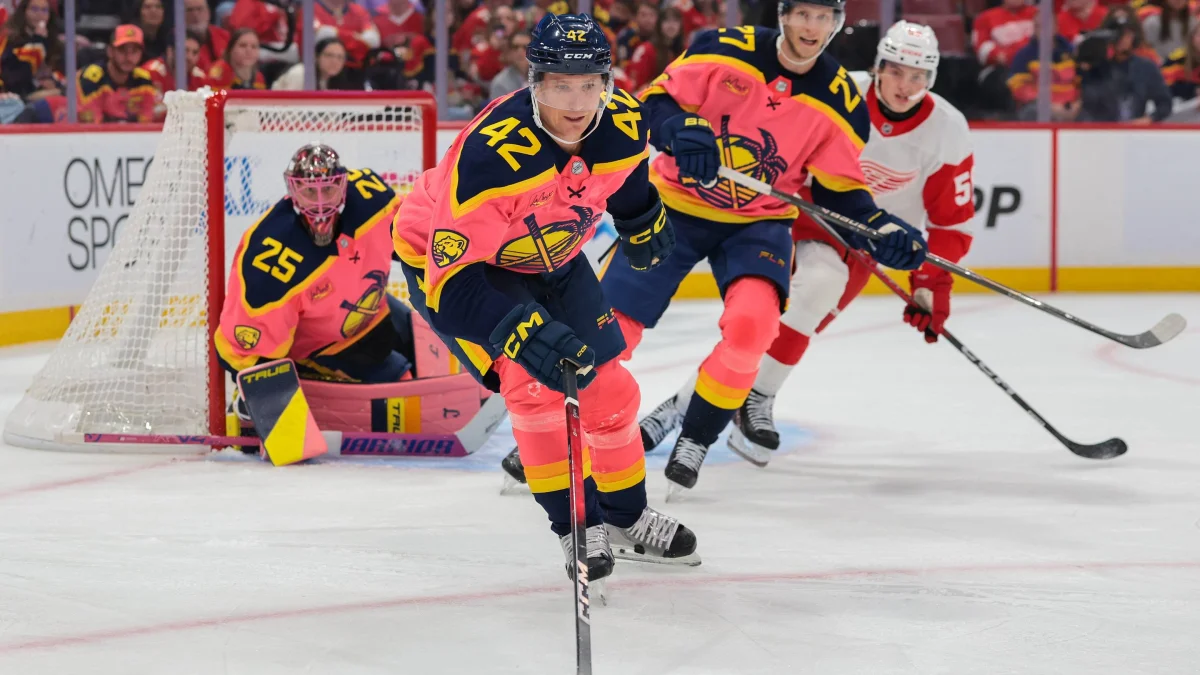
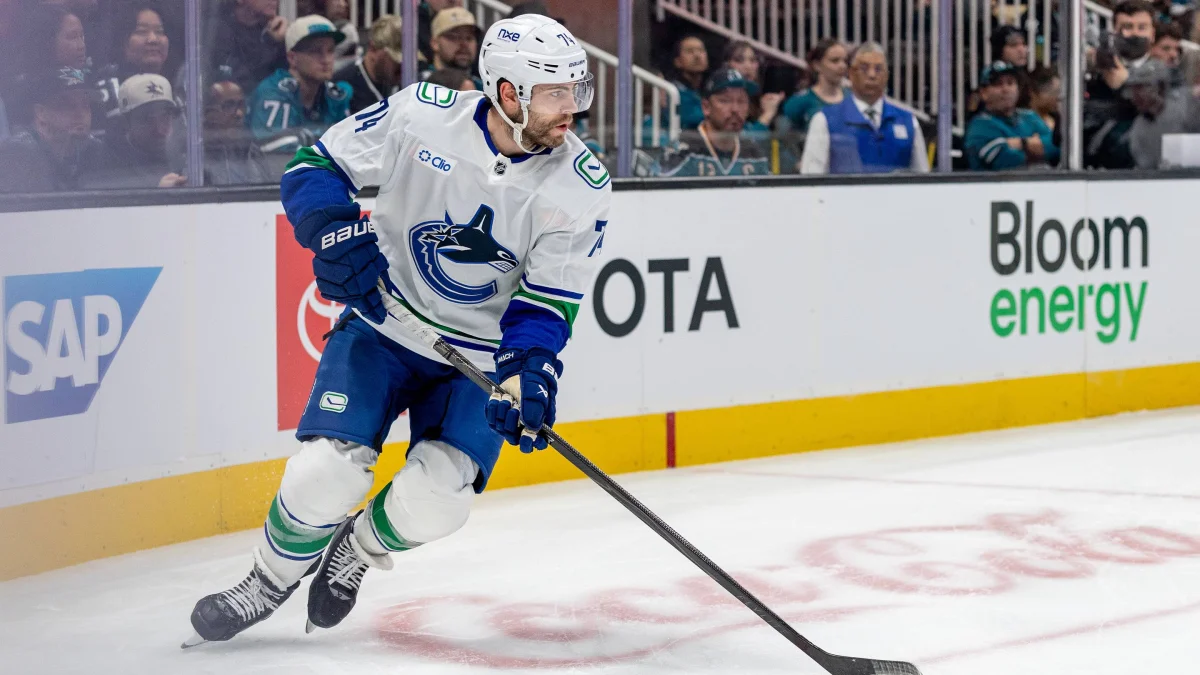
Vancouver opened up a 2-0 lead in Florida before Brady Tkachuk helped turn the game around with a back-to-back hat trick. The performance offered a vivid example of the Panthers’ capacity to recover, but needing a major offensive push to erase an early hole is a difficult routine to sustain over a full season.
Florida finally scored the first goal in regulation in its ninth game, on Oct. 17, and turned that start into an 8-3 victory over Seattle. Tkachuk also opened the scoring in his return to Ottawa, but the Panthers managed only one goal in a 5-1 loss. In Pittsburgh, they were shut out 4-0. The sequence captures both sides of the trend: Florida can get in front and produce in bunches, yet one early goal hasn’t guaranteed control of the game.
More points from behind, with a goaltending question
There is some improvement in the results when compared with the opening stretch of 2025-26. Florida went 5-5-1 over its first 11 games last season, with a minus-4 goal differential. The Panthers gave up the first goal six times in that span and went 1-4-1 in those games.
This season, Florida is 3-2-2 when its opponent scores first. That is a stronger record in those situations, even as the Panthers have been forced into them more often. The team has also gone seven straight games without scoring the opening goal, according to the source article’s account. With captain Aleksander Barkov absent for the past nine games again, the ability to earn points while trailing has helped limit the damage. It doesn’t remove the cost of chasing.
Akira Schmid’s early results add another detail to watch. In five appearances—four starts and one relief outing—he has allowed the opening goal three times. He also gave up the next goal after entering in relief against Buffalo. Before joining Florida, the 26-year-old finished his time with Vegas by allowing the first goal in each of his final five appearances, all losses.
Those figures are a reason to keep an eye on the goaltending, not enough on their own to explain every slow start. The Panthers have allowed opponents to set the terms early, and their overall record reflects how often they’ve managed to respond. The challenge is to make those recoveries less necessary. Florida has enough talent to generate offense, but the next step is getting into games on the front foot—and seeing whether the recent five-period scoring drought gives way in Chicago.